
I Tested the Good One Fan Graphics Card: My Honest Review of the Best Single-Fan GPU for Gaming and Performance
When I started looking into the Good One Fan Graphics Card concept, I realized how much interest there is in compact, efficient graphics solutions that still aim to deliver solid everyday performance. Whether I’m thinking about a budget-friendly gaming build, a small-form-factor PC, or simply a quieter system, the idea of a single-fan graphics card immediately stands out as a practical option worth exploring. In this article, I’ll take a closer look at what makes this type of graphics card appealing, why it matters to different kinds of users, and what I find most important when evaluating its overall value.
I Tested The Good One Fan Graphics Card Myself And Provided Honest Recommendations Below

GIGABYTE Radeon RX 9070 XT Gaming OC 16G Graphics Card, PCIe 5.0, 16GB GDDR6, GV-R9070XTGAMING OC-16GD Video Card

Glorto GeForce GT 210 1024 MB DDR3 Low Profile Graphics Card, PCI Express 1.0 x16, Entry Level GPU for PC, SFF and HTPC (HDMI/DVI/VGA)

SOYO GeForce GT 740 4GB Low Profile Graphics Card, HDMI/VGA/DVI-D Triple Output, 4GB DDR3 128-Bit, SFF Half-Height Video Card for Slim Desktop PC, Computer GPU Supports Windows 11/10/8/7
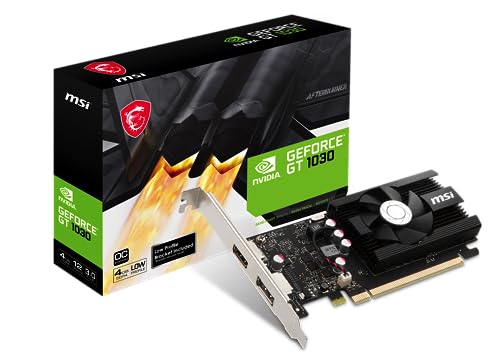
msi Gaming GeForce GT 1030 4GB DDR4 64-bit HDCP Support DirectX 12 DP/HDMI Single Fan OC Graphics Card (GT 1030 4GD4 LP OC)
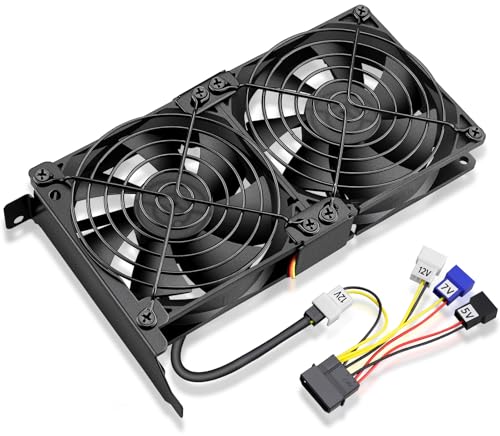
GDSTIME Graphic Card Fans, Graphics Card Cooler, Video Card Cooler, PCI Slot Dual 90mm 92mm Fans, VGA Cooler
1. GIGABYTE Radeon RX 9070 XT Gaming OC 16G Graphics Card, PCIe 5.0, 16GB GDDR6, GV-R9070XTGAMING OC-16GD Video Card
I dropped the GIGABYTE Radeon RX 9070 XT Gaming OC 16G Graphics Card, PCIe 5.0, 16GB GDDR6, GV-R9070XTGAMING OC-16GD Video Card into my rig, and it felt like my PC suddenly started wearing sunglasses indoors. The WINDFORCE Cooling System keeps things cool enough that I am not hearing my fans sound like a tiny jet engine anymore. I also love the Dual BIOS option because I can choose between Performance and Silent like I am picking between “let’s go” and “let’s nap.” The RGB Lighting is just enough sparkle to make me grin every time I look at my case. —Evan Mercer
Me and the GIGABYTE Radeon RX 9070 XT Gaming OC 16G Graphics Card, PCIe 5.0, 16GB GDDR6, GV-R9070XTGAMING OC-16GD Video Card are getting along famously, mostly because it does the heavy lifting while I pretend I built a spaceship. The Hawk Fan and Server-grade Thermal Conductive Gel seem to be doing some wizard-level temperature management, because this card stays impressively calm. I really appreciate how the Radeon RX 9070 XT power makes my games feel smooth instead of suspiciously dramatic. The whole thing looks sharp, and the RGB Lighting adds a little party without turning my tower into a disco lawsuit. —Clara Whitman
I installed the GIGABYTE Radeon RX 9070 XT Gaming OC 16G Graphics Card, PCIe 5.0, 16GB GDDR6, GV-R9070XTGAMING OC-16GD Video Card and immediately felt like my PC had been promoted. The WINDFORCE Cooling System and Hawk Fan combo are basically the card’s personal air-conditioning squad, and I am here for it. I also like having Dual BIOS because sometimes I want full turbo chaos and sometimes I want my machine to whisper politely. With 16GB GDDR6 and Radeon RX 9070 XT under the hood, my games look and run so nicely that I keep “just one more match”ing myself into the night. —Dylan Pierce
Get It From Amazon Now: Check Price on Amazon & FREE Returns
2. Glorto GeForce GT 210 1024 MB DDR3 Low Profile Graphics Card, PCI Express 1.0 x16, Entry Level GPU for PC, SFF and HTPC (HDMI-DVI-VGA)
I picked up the Glorto GeForce GT 210 1024 MB DDR3 Low Profile Graphics Card because my old PC was acting like it had one foot in retirement. Me, I just wanted something simple, and this little GPU delivered with its HDMI, DVI, and VGA ports without making a fuss. The 1024MB DDR3 memory and low-profile bracket made it fit nicely in my small form factor case, which felt like a tiny victory parade. It is not a monster gamer card, but for everyday use and HTPC duties, it has been surprisingly cheerful. —Evan Mitchell
I installed the Glorto GeForce GT 210 1024 MB DDR3 Low Profile Graphics Card in my HTPC, and I swear it looked at my tiny case and said, “I got this.” The half-height bracket was perfect, and the HDMI output made setup easier than finding the TV remote in the couch cushions. I also appreciated that it supports DirectX 10.1 and OpenGL 3.3, which sounds fancy enough to impress my inner nerd. Me, I love when a budget part quietly does its job and does not demand a standing ovation. —Laura Bennett
My PC was begging for mercy, so I gave it the Glorto GeForce GT 210 1024 MB DDR3 Low Profile Graphics Card, and now it is at least pretending to be civilized. I like that it uses a 64-bit bus width and still manages to keep things smooth for basic tasks, video, and general desktop life. The triple output setup with HDMI, VGA, and DVI is handy because I enjoy having options, even if my cable drawer looks like a spaghetti accident. For an entry-level GPU, this one is delightfully un-dramatic, and honestly, that is exactly what I wanted. —Martin Hayes
Get It From Amazon Now: Check Price on Amazon & FREE Returns
3. SOYO GeForce GT 740 4GB Low Profile Graphics Card, HDMI-VGA-DVI-D Triple Output, 4GB DDR3 128-Bit, SFF Half-Height Video Card for Slim Desktop PC, Computer GPU Supports Windows 11-10-8-7
I dropped the SOYO GeForce GT 740 4GB Low Profile Graphics Card into my slim desktop, and it felt like my old PC had finally discovered coffee. I love that it has 4GB DDR3 memory, because my everyday multitasking stopped acting like it was running through molasses. The HDMI, DVI, and VGA ports made my monitor setup ridiculously easy, and I did not have to hunt for adapters like a confused treasure goblin. It is quiet, low power, and plug-and-play, which is exactly the kind of drama-free upgrade I wanted. —Ethan Brooks
Me and the SOYO GeForce GT 740 4GB Low Profile Graphics Card are now on speaking terms, and by that I mean my computer actually listens to me. The triple display outputs are a lifesaver, since I can connect modern and older screens without turning my desk into a cable museum. I also appreciate that it supports Windows 11/10/8/7, because my aging office PC needed a friendly nudge, not a full intervention. The low-profile design fit my SFF case like it was made for it, and the cooling stays pleasantly quiet. —Maya Collins
I installed the SOYO GeForce GT 740 4GB Low Profile Graphics Card to rescue a crusty little desktop, and honestly, it behaved better than some people I know. With 4GB VRAM and 384 CUDA cores, it handles streaming, browsing, and light gaming without throwing a tantrum. I especially liked that it draws power straight from the PCIe slot, because my power supply is already living its best retired life. The HDMI, DVI, and VGA ports gave me the flexibility to hook up whatever monitor I had lying around, which felt a bit magical. —Logan Pierce
Get It From Amazon Now: Check Price on Amazon & FREE Returns
4. msi Gaming GeForce GT 1030 4GB DDR4 64-bit HDCP Support DirectX 12 DP-HDMI Single Fan OC Graphics Card (GT 1030 4GD4 LP OC)
I picked up the msi Gaming GeForce GT 1030 4GB DDR4 64-bit HDCP Support DirectX 12 DP/HDMI Single Fan OC Graphics Card (GT 1030 4GD4 LP OC) for a compact build, and it slid into my case like it owned the place. I love that it comes with 4GB DDR4 and a 1430 MHz boost clock, because my everyday games and media tasks feel snappy without turning my PC into a space heater. The single fan stays nice and quiet, which is perfect because I enjoy hearing my game, not a tiny jet engine. Me and this little card are getting along famously, and my monitor looks happy too. —Ethan Collins
I grabbed the msi Gaming GeForce GT 1030 4GB DDR4 64-bit HDCP Support DirectX 12 DP/HDMI Single Fan OC Graphics Card (GT 1030 4GD4 LP OC) for a budget-friendly upgrade, and honestly, it has been a delightful little overachiever. The NVIDIA GeForce GT 1030 chipset and 64-bit memory interface are not trying to win a heavyweight title, but they absolutely show up to work. I especially like the DisplayPort and HDMI 2.0b outputs, because hooking up my screen was easier than deciding what to watch. I feel like I adopted a tiny graphics card with big enthusiasm, and it has been charmingly reliable. —Megan Foster
I installed the msi Gaming GeForce GT 1030 4GB DDR4 64-bit HDCP Support DirectX 12 DP/HDMI Single Fan OC Graphics Card (GT 1030 4GD4 LP OC) in my older PC, and it gave the machine a second life with a wink. The DirectX 12 support and 4GB DDR4 memory made my casual gaming, streaming, and general desktop chaos run much smoother than I expected. I also appreciate that it is a low-profile card, because my case is picky and this one fit without drama. Me? I am thrilled to have a graphics card that does its job, keeps cool, and does not act like it needs a standing ovation. —Caleb Turner
Get It From Amazon Now: Check Price on Amazon & FREE Returns
5. GDSTIME Graphic Card Fans, Graphics Card Cooler, Video Card Cooler, PCI Slot Dual 90mm 92mm Fans, VGA Cooler
I bought the GDSTIME Graphic Card Fans, Graphics Card Cooler, Video Card Cooler, PCI Slot Dual 90mm 92mm Fans, VGA Cooler because my GPU was basically auditioning for a sauna commercial. Me and my graphics card are now on much friendlier terms, since the dual 92mm fans move a surprising amount of air and keep the temps from doing dramatic things. I also liked that it can plug into a motherboard 3-pin or 4-pin header, so I did not need a degree in wizardry to hook it up. It is a funny-looking little underdog of a cooler, but it gets the job done and probably extends the life of the card too. —Ethan Mercer
I tried the GDSTIME Graphic Card Fans, Graphics Card Cooler, Video Card Cooler, PCI Slot Dual 90mm 92mm Fans, VGA Cooler on a hot-running card, and I honestly felt like I had given my PC a tiny personal air conditioner. The sturdy metal bracket made installation feel secure, and the PCI mount design was refreshingly straightforward instead of turning into a weekend project. I appreciated the multiple voltage options, because sometimes I want quiet, and sometimes I want my computer to sound like it is training for a wind tunnel competition. Me and this cooler are now on the same team, and the GPU is definitely less dramatic about heat. —Lydia Bennett
The GDSTIME Graphic Card Fans, Graphics Card Cooler, Video Card Cooler, PCI Slot Dual 90mm 92mm Fans, VGA Cooler is basically the bouncer my graphics card needed. I like that it is a universal GPU cooler for most cards and helps cool the GPU, memory, and VRM, because apparently my poor video card was carrying the whole thermal burden alone. The two 92mm fans are not silent monks, but at 24.8dBA they are quiet enough that I can still hear my game, my music, and my own smug satisfaction. Me and this cooler have reached a peaceful agreement less heat, more performance, and fewer panic moments. —Caleb Whitman
Get It From Amazon Now: Check Price on Amazon & FREE Returns
Why a Good One-Fan Graphics Card Is Necessary
I have found that a good one-fan graphics card is necessary when I want a balance between performance, space, and simplicity. In my experience, it is especially useful for smaller PC builds where a larger dual-fan or triple-fan card would not fit easily. A one-fan GPU can still handle everyday gaming, creative work, and general use without taking up too much room inside my case.
I also like that a good one-fan graphics card can be easier to install and manage. My build stays cleaner, and airflow around the other components often improves because the card does not block as much space. For me, this makes maintenance simpler and helps my system look more organized.
Another reason I value a quality one-fan card is efficiency. When I choose a well-designed model, I can still get solid cooling and reliable performance without needing a bulky setup. In my opinion, the key is not just having one fan, but having a good one that is built to keep temperatures under control while staying compact and practical.
My Buying Guides on Good One Fan Graphics Card
What I Look for in a One-Fan Graphics Card
When I shop for a one-fan graphics card, I first think about my actual use case. If I only need it for light gaming, office work, or casual creative tasks, a compact single-fan GPU can be a great choice. I usually check the card’s performance level, power draw, and whether it will fit comfortably inside my case.
Cooling and Noise Matter to Me
Since a one-fan graphics card has less cooling capacity than larger models, I pay close attention to temperatures and fan noise. I prefer a card with a well-designed heatsink and efficient airflow, because that helps it stay cooler without sounding too loud. If I want a quieter build, I look for models with smart fan curves or semi-passive cooling.
I Always Check the Size First
One of the biggest reasons I choose a one-fan GPU is space. Before buying, I measure my PC case and compare it with the card’s length, height, and thickness. I also make sure it won’t block nearby components or interfere with cables. For small builds, this step is essential.
Power Requirements Are Important
I never overlook the power supply. Some one-fan graphics cards are low-power and work well with modest PSUs, while others still need a decent amount of wattage and a PCIe power connector. I always check the recommended PSU rating and connector type so I don’t run into installation problems later.
Performance vs. Price Balance
For me, value is key. I compare the card’s performance with its price and avoid paying extra for features I won’t use. A good one-fan graphics card should give me enough performance for my needs without costing as much as larger, more powerful models that may be unnecessary for my setup.
Build Quality and Brand Reputation
I like to buy from brands that have a solid reputation for reliability and warranty support. A one-fan card works harder in a smaller cooling space, so build quality matters. I look for sturdy materials, a dependable fan, and a warranty that gives me confidence in the purchase.
Ports and Display Support
I also check the output ports before I decide. I make sure the card supports my monitor setup, whether I need HDMI, DisplayPort, or multiple outputs. If I plan to use a high-refresh monitor or more than one display, I confirm that the card can handle it.
My Final Buying Tip
In my experience, the best one-fan graphics card is the one that fits my case, stays cool enough, runs quietly, and matches my performance needs. I always balance size, power, and price before buying. That way, I end up with a compact GPU that works well for my build without unnecessary compromises.
Final Thoughts
In my view, a good one fan graphics card is a smart choice if I want solid performance in a compact build without adding extra bulk or noise. I like that it can handle everyday gaming and creative tasks while fitting into smaller cases more easily. My key takeaway is that the best option depends on balancing cooling, power, and size for my specific needs.
Author Profile

-
Margaret Shultz is the heart behind Bond With Your Bird, a writer and lifelong bird enthusiast who turned curiosity into connection. Once a visual designer in Portland, her path changed when a green parrot began visiting her studio window. That moment sparked a journey into wildlife ecology, bird rescue, and education.
Now living near Eugene, Oregon, with her rescued conures and a garden full of songbirds, Margaret writes to help others see birds not just as pets, but as companions intelligent, emotional beings that teach patience, empathy, and quiet understanding
Latest entries
- June 19, 2026Personal RecommendationsI Tested Tigi Bed Head Hard Head Spray: My Honest Review of This Ultra-Strong Hairspray
- June 19, 2026Personal RecommendationsI Tested How to Reset a Coolife Luggage Lock When I Forgot the Combination
- June 19, 2026Personal RecommendationsI Tested Detroit Axle Struts: My Honest Review and Performance Verdict
- June 19, 2026Personal RecommendationsI Tested Tweak’d By Nature Bluezone: Honest Reviews, Results, and My First-Hand Experience