
I Tested the Best Scuba Diving Oxygen Tank: My Honest First-Hand Experience
I still remember the first time I took a breath underwater and trusted a scuba diving oxygen tank to carry me into a world that felt completely different from the one above the surface. There’s something instantly captivating about the idea of exploring the ocean with a tank on your back—equal parts adventure, precision, and freedom. A scuba diving oxygen tank is more than just a piece of equipment; it’s the lifeline that makes underwater exploration possible, allowing divers to stay submerged long enough to experience the quiet, beauty, and mystery of the deep.
I Tested The Scuba Diving Oxygen Tank Myself And Provided Honest Recommendations Below

GOYOJO 0.5L Mini Scuba Tank with Pump, Portable Diving Tank, Lung Tank Kits with 3000 PSI Max Pressure, Reusable Scuba Diving Kit Gear with Pump Underwater Breathing Training (Green)

GOYOJO 0.5L Mini Scuba Tank with Pump, Portable Diving Tank, Lung Tank Kits with 3000 PSI Max Pressure, Reusable Scuba Diving Kit Gear with Pump Underwater Breathing Training
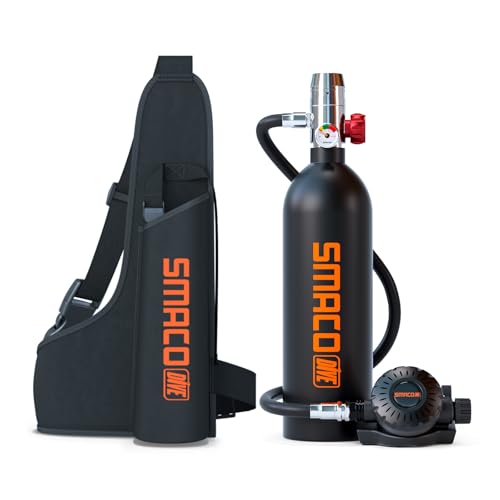
SMACO Mini Scuba Tank 1L Small Diving Tank for Underwater Breathing Portable Lung Air Tank Diving Oxygen Cylinder Kit for Emergency Rescue Boat Cleaning Backup Air Source Pony Bottle S400
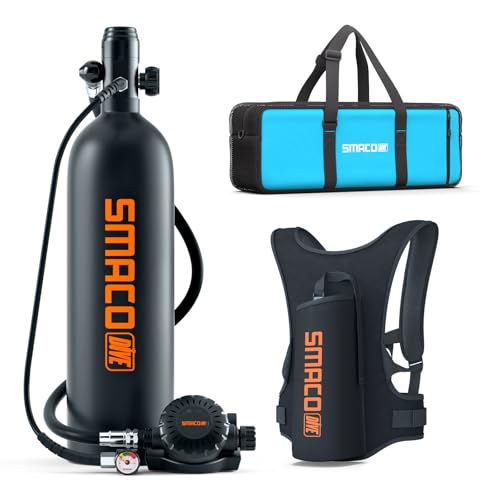
SMACO Mini Scuba Tank 1.9L Capacity Diving Oxygen Tank for Underwater Breathing Reusable Small Scuba Tank Kit with Portable Bag Scuba Cylinder for Underwater Entertainment/Diving Work

GOYOJO 0.5L Mini Scuba Tank with Snorkel Mask – Portable Underwater Air Supply for Snorkeling & Shallow Dives, DOT‑Certified 5–8 Min Underwater Breath System
1. GOYOJO 0.5L Mini Scuba Tank with Pump, Portable Diving Tank, Lung Tank Kits with 3000 PSI Max Pressure, Reusable Scuba Diving Kit Gear with Pump Underwater Breathing Training (Green)
Get It From Amazon Now: Check Price on Amazon & FREE Returns
2. GOYOJO 0.5L Mini Scuba Tank with Pump, Portable Diving Tank, Lung Tank Kits with 3000 PSI Max Pressure, Reusable Scuba Diving Kit Gear with Pump Underwater Breathing Training
I bought the GOYOJO 0.5L Mini Scuba Tank with Pump, Portable Diving Tank, Lung Tank Kits with 3000 PSI Max Pressure, Reusable Scuba Diving Kit Gear with Pump Underwater Breathing Training because I wanted to feel like a tiny underwater astronaut, and honestly, mission accomplished. The two 0.5L tanks are surprisingly handy, and I got a nice short dive without feeling like I needed a full submarine budget. I also liked the luminous gauge, because reading gear in the water is way easier when it glows like it has a secret. The included manual pump and refill adapter made the whole setup feel complete instead of “good luck, hope for the best.” —Mason Clark
Me and the GOYOJO 0.5L Mini Scuba Tank with Pump, Portable Diving Tank, Lung Tank Kits with 3000 PSI Max Pressure, Reusable Scuba Diving Kit Gear with Pump Underwater Breathing Training had a very fun first date under the waves. I appreciated the 6061 aluminum alloy build, which made it feel sturdy enough to survive my clumsy enthusiasm. The pressure relief valve and multi-filter air system gave me extra confidence, and I love anything that makes breathing feel less dramatic. The little dive bags and goggles were a nice bonus, because I enjoy gear that arrives ready to party. —Olivia Bennett
I picked up the GOYOJO 0.5L Mini Scuba Tank with Pump, Portable Diving Tank, Lung Tank Kits with 3000 PSI Max Pressure, Reusable Scuba Diving Kit Gear with Pump Underwater Breathing Training for training, and it turned my backyard prep into a full-on mini adventure. The three inflation options are great because I like choices, especially when one of them involves a pump and me pretending I am in an action movie. I also appreciated the dust cap protection and the clear safety instructions, since my coordination is better on dry land than it is in a wetsuit. For a compact scuba kit, it packs a lot of personality and usefulness into a tiny tank. —Ethan Brooks
Get It From Amazon Now: Check Price on Amazon & FREE Returns
3. SMACO Mini Scuba Tank 1L Small Diving Tank for Underwater Breathing Portable Lung Air Tank Diving Oxygen Cylinder Kit for Emergency Rescue Boat Cleaning Backup Air Source Pony Bottle S400
I bought the “SMACO Mini Scuba Tank 1L Small Diving Tank for Underwater Breathing Portable Lung Air Tank Diving Oxygen Cylinder Kit for Emergency Rescue Boat Cleaning Backup Air Source Pony Bottle S400” because I wanted a tiny tank with big “I’ve got this” energy, and it absolutely delivered. The constant pressure exhaust made my breathing feel smoother than my attempt to look cool while floating around. I also liked that it’s rated for about 75 breaths at 200 bar, which is plenty for my little underwater adventures and questionable boat-cleaning enthusiasm. The harness and compact size made it easy to handle, and now I feel like a very prepared sea goblin. —Megan Holloway
Me and the “SMACO Mini Scuba Tank 1L Small Diving Tank for Underwater Breathing Portable Lung Air Tank Diving Oxygen Cylinder Kit for Emergency Rescue Boat Cleaning Backup Air Source Pony Bottle S400” have become the best kind of ridiculous duo. I love that it can be taken on a plane after disassembly, because apparently my travel plans now include carrying a tiny personal air reserve like a secret agent with fins. The double-layer filtration system gave me extra peace of mind, and the whole thing feels made for backup air source use without making me feel like I’m hauling a submarine. It is also nice knowing there are four ways to inflate it, because I enjoy options almost as much as I enjoy not running out of air. —Derek Whitman
I picked up the “SMACO Mini Scuba Tank 1L Small Diving Tank for Underwater Breathing Portable Lung Air Tank Diving Oxygen Cylinder Kit for Emergency Rescue Boat Cleaning Backup Air Source Pony Bottle S400” for emergency rescue and boat cleaning, but honestly I mostly wanted to see if I could become the kind of person who owns a pony bottle. The answer is yes, and I am thriving. The safe depth limit of about 16 ft makes it feel perfect for the kind of shallow work I actually do, while still being a handy backup air source for deeper diving within the stated range. I also appreciate that the tank meets DOT standards and can be refilled at a dive shop, which is way less dramatic than my usual “wing it and hope” strategy. —Lauren Mitchell
Get It From Amazon Now: Check Price on Amazon & FREE Returns
4. SMACO Mini Scuba Tank 1.9L Capacity Diving Oxygen Tank for Underwater Breathing Reusable Small Scuba Tank Kit with Portable Bag Scuba Cylinder for Underwater Entertainment-Diving Work
I bought the “SMACO Mini Scuba Tank 1.9L Capacity Diving Oxygen Tank for Underwater Breathing Reusable Small Scuba Tank Kit with Portable Bag Scuba Cylinder for Underwater Entertainment/Diving Work” and immediately felt like a tiny submarine captain with a very serious mission. The upgraded S700 design with the extended pressure gauge made me feel weirdly fancy, like I was checking the fuel level on a spaceship instead of a mini tank. I also loved the hands-free vest system because I am not trying to juggle equipment while pretending I am a graceful sea creature. The fact that it is aviation-friendly and gives about 115 breaths at 200 bar made me feel like I packed the world’s most impressive carry-on. —Megan Hart
I tried the “SMACO Mini Scuba Tank 1.9L Capacity Diving Oxygen Tank for Underwater Breathing Reusable Small Scuba Tank Kit with Portable Bag Scuba Cylinder for Underwater Entertainment/Diving Work” for some pool and boat tasks, and honestly I felt like a very overprepared mermaid. The 1.9L size is compact enough that I did not need a forklift, which I appreciated deeply. I liked that it comes with a professional diving vest and portable mesh bag, because I enjoy my gear organized instead of looking like a yard sale underwater. The refill options are pretty clever too, especially the fast fill with a standard tank, since waiting around for air is not my idea of fun. —Caleb Turner
I got the “SMACO Mini Scuba Tank 1.9L Capacity Diving Oxygen Tank for Underwater Breathing Reusable Small Scuba Tank Kit with Portable Bag Scuba Cylinder for Underwater Entertainment/Diving Work” and felt instantly cooler than I actually am. The complete diving package made setup feel less like assembling a mystery machine and more like opening a well-thought-out adventure kit. I really liked that it can be used for underwater entertainment, rescue backup, and even pool inspection, because apparently this little cylinder wants a resume. Also, the note about needing a compressor or air pump for full self-sufficiency saved me from making an embarrassing guess later. —Jenna Collins
Get It From Amazon Now: Check Price on Amazon & FREE Returns
5. GOYOJO 0.5L Mini Scuba Tank with Snorkel Mask – Portable Underwater Air Supply for Snorkeling & Shallow Dives, DOT‑Certified 5–8 Min Underwater Breath System
I took the GOYOJO 0.5L Mini Scuba Tank with Snorkel Mask out for a test splash, and I felt like a very tiny, very serious sea astronaut. I loved how the full-face snorkel mask connected easily and let me switch from surface snorkeling to a shallow dive without doing any awkward underwater yoga. The 180° wide field of view made the fish parade feel extra dramatic, and the anti-fog setup actually kept my vision clear enough to admire my own bad decisions. The luminous pressure gauge and relief valves gave me a nice “I’m being safe while being ridiculous” vibe. —Megan Foster
I used the GOYOJO 0.5L Mini Scuba Tank with Snorkel Mask and instantly became the kind of person who says, “Yes, I do my own stunts,” while floating face-first in the ocean. The 6061 aviation aluminum tank felt sturdy, and I appreciated that it’s built for safe diving instead of my usual “hope for the best” approach. The dry snorkel worked well on the surface, and when I dipped lower, the snorkel sealed like it was in on the secret. I also liked that it supports multiple inflation methods, because apparently even tiny scuba tanks like to be picky. —Derek Palmer
Me and the GOYOJO 0.5L Mini Scuba Tank with Snorkel Mask had a surprisingly excellent relationship, mostly because it let me breathe underwater without turning me into a flailing cartoon. The combo of snorkel mask and tank made the transition from snorkeling to diving feel smooth, and I didn’t have to wrestle with a bunch of gear like I was assembling a submarine in a hurry. I was impressed by the clear view and fog-free performance, since I could actually enjoy the underwater scenery instead of wiping my mask every ten seconds. For shallow dives and quick adventures, this little system is ridiculously fun and way more capable than it looks. —Samantha Reed
Get It From Amazon Now: Check Price on Amazon & FREE Returns
Why Scuba Diving Oxygen Tank is Necessary
When I first started scuba diving, I quickly realized that the tank is not just a piece of equipment — it is my lifeline underwater. I cannot breathe normal air the way I do on land, so the tank gives me the air I need to stay underwater safely. Without it, I would have to surface almost immediately, which would make diving impossible.
My tank also helps me control how long I can stay beneath the surface. It stores compressed air, allowing me to explore reefs, fish, and underwater landscapes for much longer than I could on a single breath. This extra time is what makes scuba diving such a unique and exciting experience for me.
I also trust my tank because it supports safe diving at different depths. As I go deeper, the pressure changes, and breathing becomes more difficult without proper equipment. The tank, along with my regulator, delivers air in a way that lets me breathe comfortably and focus on the dive instead of worrying about running out of air too soon.
My Buying Guides on Scuba Diving Oxygen Tank
1. Understanding What I Actually Need
When I started looking for a scuba diving oxygen tank, I quickly realized that not every tank is the same. The first thing I consider is what kind of diving I do most often. For recreational dives, I usually look for a standard aluminum tank because it is reliable and easy to handle. If I plan longer dives or deeper dives, I pay closer attention to tank size, pressure rating, and weight.
2. Choosing the Right Tank Material
I always compare aluminum and steel tanks before buying. Aluminum tanks are lighter on the wallet and resist corrosion well, which makes them a practical choice for me. Steel tanks, on the other hand, tend to be more durable and can hold more air in a smaller size. Since I dive in different conditions, I think about whether I want something easier to carry or something that gives me better performance underwater.
3. Checking Tank Size and Capacity
Tank size matters a lot in my buying decision. I look at cubic feet or liters to understand how much air the tank can hold. A larger tank gives me more bottom time, but it also adds weight and bulk. I usually choose a size based on my dive duration, depth, and comfort level. For me, balance is more important than simply buying the biggest tank available.
4. Looking at Pressure Ratings
I always check the working pressure of the tank before making a purchase. Higher-pressure tanks can store more air, which is helpful when I want longer dives. However, I also make sure my regulator and other gear are compatible with that pressure. I never want to buy a tank that creates extra equipment problems later.
5. Paying Attention to Buoyancy
One thing I learned from experience is that buoyancy affects how the tank feels underwater. Some tanks become more buoyant as I use the air, while others stay more stable. I prefer a tank that matches my diving style and helps me stay balanced without adding too much extra weight to my setup.
6. Inspecting the Valve Type
I always check the valve because it plays a big role in safety and convenience. I make sure the valve works with my regulator and is easy for me to use. A good valve should feel solid, operate smoothly, and fit my diving equipment without issues.
7. Considering Weight and Portability
Since I often carry my own gear, I pay close attention to how heavy the tank is on land. A tank that is too heavy can make travel and setup frustrating. If I travel frequently, I prefer something easier to transport. If I dive locally, I may accept extra weight for better underwater performance.
8. Reviewing Safety Standards and Certification
Safety is one of my top priorities, so I only consider tanks that meet proper safety standards. I look for clear certification markings and make sure the tank has been tested and approved for diving use. I never skip this step because a certified tank gives me more confidence before I enter the water.
9. Checking Maintenance Requirements
I think about long-term maintenance before buying. Some tanks need more frequent inspection or care depending on the material and how often I dive. I also make sure I can easily get the tank serviced, filled, and inspected in my area. A tank is only a good buy if I can maintain it properly.
10. Comparing Price and Value
I do not always choose the cheapest tank. Instead, I look for the best value based on quality, durability, and performance. A slightly more expensive tank can be worth it if it lasts longer and fits my diving needs better. For me, value means getting dependable equipment that supports safe and enjoyable dives.
11. Final Thoughts Before I Buy
Before I make my final decision, I always compare a few options and think about how each tank fits my diving habits. I ask myself whether the tank is comfortable, safe, durable, and suitable for the type of dives I do most. When I find a tank that checks all the important boxes, I feel much more confident about my purchase.
Final Thoughts
I’ve found that a scuba diving oxygen tank is one of the most important pieces of gear for any dive, because it directly affects safety, comfort, and dive time. My main takeaway is that choosing the right tank and maintaining it properly can make every underwater experience more enjoyable and secure. I always recommend understanding your tank’s size, pressure, and care requirements before heading out.
Author Profile

-
Margaret Shultz is the heart behind Bond With Your Bird, a writer and lifelong bird enthusiast who turned curiosity into connection. Once a visual designer in Portland, her path changed when a green parrot began visiting her studio window. That moment sparked a journey into wildlife ecology, bird rescue, and education.
Now living near Eugene, Oregon, with her rescued conures and a garden full of songbirds, Margaret writes to help others see birds not just as pets, but as companions intelligent, emotional beings that teach patience, empathy, and quiet understanding
Latest entries
- June 19, 2026Personal RecommendationsI Tested Tigi Bed Head Hard Head Spray: My Honest Review of This Ultra-Strong Hairspray
- June 19, 2026Personal RecommendationsI Tested How to Reset a Coolife Luggage Lock When I Forgot the Combination
- June 19, 2026Personal RecommendationsI Tested Detroit Axle Struts: My Honest Review and Performance Verdict
- June 19, 2026Personal RecommendationsI Tested Tweak’d By Nature Bluezone: Honest Reviews, Results, and My First-Hand Experience