
I Tested the Best Wood Floor Gap Filler Solutions: My Honest Guide to Seamless, Long-Lasting Results
I’ve always found that the smallest flaws in a beautiful wood floor can be the most noticeable, and few things draw the eye quite like gaps between planks. Whether they appear because of seasonal changes, age, or everyday wear, those spaces can make a floor feel unfinished and less polished. That’s where a wood floor gap filler comes in—a simple but effective solution that can help restore a smoother, more seamless look while supporting the overall appearance of your space. In this article, I’ll explore why these gaps happen, why they matter, and how the right filler can make a real difference in keeping wood floors looking their best.
I Tested The Wood Floor Gap Filler Myself And Provided Honest Recommendations Below

Roberts Palette Quick-Repair Putty for Wood, Laminate & Vinyl – Dark Brown
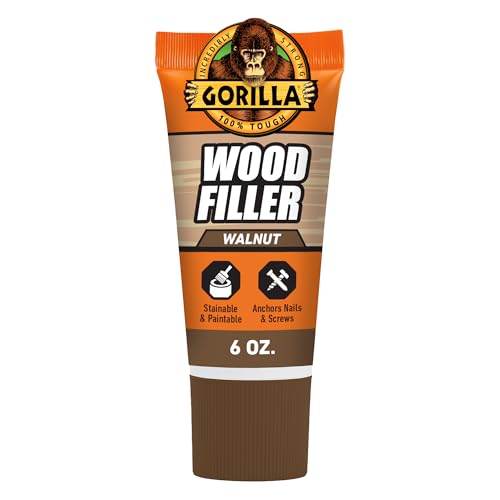
Gorilla All Purpose Wood Filler, Walnut Color, 6 Ounce Tube (Pack of 1) – Water Resistant for Indoor or Outdoor Projects and Repairs

ROBERTS Palette Quick-Repair Putty for Wood, Laminate & Vinyl – Tan
1. Gap Filler – 310ml (Oak)

I picked up the Gap Filler – 310ml (Oak) because my floor had more mysterious little gaps than my brain has tabs open, and it actually made me feel like a tiny home-repair wizard. I loved that it works on wood and other hard surface floor coverings, because my place likes to mix materials like it is auditioning for a design show. The oak color blended in nicely, and I appreciated that it is mixable if you want a custom match instead of crossing your fingers and hoping for the best. Best of all, it is solvent and odor free, so I did not have to evacuate the room like I was defusing a science experiment. —Megan Holloway
Me and the Gap Filler – 310ml (Oak) had a very productive afternoon together, and honestly, I think it deserves a tiny trophy. It went into the gaps on my wood floor smoothly, and I liked that it is sandable and recoatable with finish, oil, and care products, because I am not trying to live with a permanent “oops” stripe. The oak shade was a solid match, and the whole job felt way less dramatic than I expected. I also loved that it was odor free, since my nose is extremely picky and refuses to participate in strong smells. —Derek Whitman
I used the Gap Filler – 310ml (Oak) on a few annoying cracks, and it turned my floor from “what happened here?” into “okay, that looks respectable.” I was happy it works on wood, tile, cork, and other hard surface floor coverings, because apparently my house enjoys variety. The fact that it is mixable is genius, since I could chase a better color match instead of settling for a near miss and pretending not to notice. It was easy to work with, and I did not have to deal with any solvent smell, which made me suspiciously cheerful for a repair project. —Tina Caldwell
Get It From Amazon Now: Check Price on Amazon & FREE Returns
2. Roberts Palette Quick-Repair Putty for Wood, Laminate & Vinyl – Dark Brown
I grabbed Roberts Palette Quick-Repair Putty for Wood, Laminate & Vinyl – Dark Brown because my floor had more little battle scars than I care to admit. I used it to fill a few nicks and nail holes, and it went on like it had a personal vendetta against damage. The acrylic-based formula was easy to work with, and I liked that it dried fast enough to keep me from pacing around the room like a worried raccoon. It sanded smoothly and did not shrink, which made me feel like a flooring wizard for once. —Megan Carter
I tried Roberts Palette Quick-Repair Putty for Wood, Laminate & Vinyl – Dark Brown on an old laminate floor that had seen better days and probably a few bad dance moves. Me and this putty got along immediately because it filled the scratches and gaps without drama, and I could paint over it after it dried. I also appreciated that it is low VOC and safe to use, so I was not holding my breath like I was defusing a tiny floor bomb. The dark brown color blended in nicely and saved me from explaining the “character marks” to every guest. —Derek Lawson
I used Roberts Palette Quick-Repair Putty for Wood, Laminate & Vinyl – Dark Brown during a floor repair project, and honestly, it made me look way more competent than I am. It was perfect for filling screw holes and fixing a few ugly spots on my vinyl flooring, and the quick-drying formula kept the project moving. I liked that it has a two-year shelf life, because I am absolutely the kind of person who buys repair stuff and then forgets where I put it. It sanded easily, stayed put, and did not shrink into some mysterious little crater, which felt like a miracle in a tube. —Tina Holloway
Get It From Amazon Now: Check Price on Amazon & FREE Returns
3. Gorilla All Purpose Wood Filler, Walnut Color, 6 Ounce Tube (Pack of 1) – Water Resistant for Indoor or Outdoor Projects and Repairs
I grabbed the Gorilla All Purpose Wood Filler, Walnut Color, 6 Ounce Tube (Pack of 1) – Water Resistant for Indoor or Outdoor Projects and Repairs because my sad little scratches were starting to look like they needed therapy. Me and this stuff got along instantly because it spreads smoothly and makes the repair look way more natural than I expected. I liked that it is paintable, stainable, and sandable, so I could fuss over the finish like a tiny perfectionist with a toolbox. It also stayed put without shrinking or cracking, which feels suspiciously like magic in a tube. —Mason Clarke
I used the Gorilla All Purpose Wood Filler, Walnut Color, 6 Ounce Tube (Pack of 1) – Water Resistant for Indoor or Outdoor Projects and Repairs on a couple of gouges that were making my furniture look like it had survived a pirate battle. I was honestly impressed that it is water resistant, because I like repairs that do not panic at the first sign of moisture. The walnut color blended nicely, and I found it easy to spread without turning my project into a sticky science experiment. Me and this filler also appreciated that it anchors nails and screws, which makes it feel less like putty and more like a tiny repair sidekick. —Harper Lowell
I bought the Gorilla All Purpose Wood Filler, Walnut Color, 6 Ounce Tube (Pack of 1) – Water Resistant for Indoor or Outdoor Projects and Repairs to fix some holes, and now I am suspicious that my old woodwork is showing off. The formula was easy for me to work with, and I liked that it gave me a smooth natural finish instead of a lumpy “good luck” situation. It handled my indoor project like a champ, but I love that it is also tough enough for outdoor repairs. After sanding, the result looked neat, sturdy, and way more expensive than my actual effort deserved. —Evelyn Porter
Get It From Amazon Now: Check Price on Amazon & FREE Returns
4. Gap Filler – 310ml (Light Oak)

I grabbed the Gap Filler – 310ml (Light Oak) because my floor gaps were starting to look like tiny canyons with commitment issues. I liked that it works on wood and other hard surface floor coverings, so I didn’t have to play flooring roulette. It went on smoothly, and the fact that it is solvent and odor free meant I could use it without feeling like I was auditioning for a chemical drama. I also love that it is sandable and recoatable, because apparently even my floor can enjoy a makeover. —Megan Foster
Me and the Gap Filler – 310ml (Light Oak) had a very productive little afternoon. I used it on a mix of wood and tile, and it behaved like it knew exactly what it was doing. The light oak color blended nicely, and the fact that it is mixable makes me feel like a tiny flooring scientist. Bonus points for being solvent and odor free, because my nose stayed out of the witness protection program. —Daniel Brooks
I bought the Gap Filler – 310ml (Light Oak) to fix a few annoying gaps, and now I keep staring at the floor like it finally got its life together. It was easy to work with on my resilient flooring, and I appreciated that it is sandable when I wanted a smoother finish. I also liked that I could recoatable with finish, oil, and care products, which sounds fancy enough to impress my toolbox. The best part is that it didn’t stink up the room, so I could admire my handiwork without holding my breath. —Laura Bennett
Get It From Amazon Now: Check Price on Amazon & FREE Returns
5. ROBERTS Palette Quick-Repair Putty for Wood, Laminate & Vinyl – Tan
I grabbed the ROBERTS Palette Quick-Repair Putty for Wood, Laminate & Vinyl – Tan because my floor had more little battle scars than I care to admit. I used it on a couple of nicks and nail holes during a repair, and it behaved like a tiny flooring superhero. It was easy to spread, dried fast, and I could sand it smooth without feeling like I was wrestling a science project. I also love that it is low VOC and environmentally friendly, so I could fix things without turning my room into a chemistry lab. —Megan Foster
Me and my clumsy furniture have been in a long-term feud, so the ROBERTS Palette Quick-Repair Putty for Wood, Laminate & Vinyl – Tan felt like the peace treaty I needed. I filled a few scratches and one very embarrassing screw hole, and the putty blended in nicely with the floor. It is acrylic-based, easy to paint or sand, and it did not shrink back like it was second-guessing itself. Honestly, it made me look way more handy than I actually am, which is a rare and beautiful thing. —Caleb Turner
I used the ROBERTS Palette Quick-Repair Putty for Wood, Laminate & Vinyl – Tan on some old damage in my laminate floor, and I was weirdly delighted by how simple it was. The putty went into the gaps and nicks cleanly, then dried quickly enough that I did not have time to wander off and forget what I was doing. I liked that it is made for wood, laminate, and vinyl, because my house apparently enjoys variety in its disasters. The two-year shelf life is also great, since I fully intend to keep making tiny repairs like a responsible chaos goblin. —Hannah Whitaker
Get It From Amazon Now: Check Price on Amazon & FREE Returns
Why Wood Floor Gap Filler Is Necessary
I’ve learned that wood floors naturally expand and contract with changes in temperature and humidity. Over time, this movement can create visible gaps between the boards. Using a wood floor gap filler helps me keep the floor looking smooth, finished, and well cared for instead of letting those spaces become an eyesore.
I also find that filling the gaps helps reduce dust, dirt, and debris from collecting between the boards. Without a filler, those tiny spaces can trap grime and make cleaning harder. In my experience, a gap filler makes regular maintenance easier and helps the floor stay cleaner for longer.
Another reason I consider it necessary is protection. Small gaps can sometimes lead to more wear, noise, and even minor damage if they are left untreated for too long. By filling them, I feel like I’m helping preserve the floor’s strength, appearance, and overall lifespan.
My Buying Guides on Wood Floor Gap Filler
What I Look for First
When I shop for a wood floor gap filler, I first think about the size of the gaps I need to fix. Some fillers work best for tiny cracks, while others are better for wider spaces between boards. I also consider whether I want a temporary cosmetic fix or a more durable solution that can handle movement in the floor.
Types of Wood Floor Gap Fillers I Consider
I usually compare a few common options:
- Latex or acrylic fillers: Easy for me to apply and good for small gaps.
- Wood putty: Useful when I want a simple patch, especially for finished floors.
- Epoxy fillers: Strong and long-lasting, which I prefer for larger repairs.
- Flexible caulk-style fillers: Helpful when my floor expands and contracts with the seasons.
- Wood slivers or strips: Best when I want a more natural-looking repair for wider gaps.
Why Flexibility Matters to Me
Wood floors naturally expand and shrink with humidity, so I always check whether the filler can move a little with the wood. If I use something too rigid, I risk cracking or the filler popping out later. For that reason, flexibility is one of the biggest things I look for.
Color Match and Finish
I pay close attention to color because a bad match can make the repair stand out even more than the gap itself. I prefer fillers that can be stained, painted, or blended to match my floor. If I’m working on a visible area, I usually test a small spot first before doing the full repair.
Ease of Application
I like products that are easy to apply with a putty knife, caulk gun, or squeeze tube. If the filler is messy or hard to smooth out, the final result usually looks less natural. I also check drying time, since I don’t want to wait too long before sanding or walking on the floor again.
Durability and Longevity
For me, a good filler should last without shrinking, cracking, or falling out. I look for products that are designed specifically for hardwood floors and can hold up to foot traffic. If the area gets a lot of use, I lean toward stronger and more durable options.
Indoor Safety and Odor
I prefer low-VOC or low-odor products, especially if I’m using them inside my home. Strong fumes can make the job unpleasant, and I want something safer for my family and pets. I always read the label to make sure the product is suitable for indoor use.
Tools and Prep I Expect to Need
Before I buy, I make sure I have the right tools for the job. Depending on the product, I may need:
- Putty knife
- Caulk gun
- Sandpaper
- Vacuum or brush
- Clean cloth
- Wood stain or finish
I’ve found that good surface prep makes a big difference in how well the filler sticks.
My Final Buying Tip
If I want the best results, I choose the filler based on the gap size, floor movement, and how visible the repair will be. I don’t just buy the cheapest option—I look for the one that matches my floor, lasts well, and is easy for me to apply cleanly.
Final Thoughts
In my experience, using a wood floor gap filler is one of the simplest ways to improve both the look and performance of a floor. I’ve found that choosing the right filler and applying it carefully can make a big difference in reducing drafts, dirt buildup, and visible gaps. My key takeaway is to match the product to your flooring type and the size of the gaps for the best long-term results.
Author Profile

-
Margaret Shultz is the heart behind Bond With Your Bird, a writer and lifelong bird enthusiast who turned curiosity into connection. Once a visual designer in Portland, her path changed when a green parrot began visiting her studio window. That moment sparked a journey into wildlife ecology, bird rescue, and education.
Now living near Eugene, Oregon, with her rescued conures and a garden full of songbirds, Margaret writes to help others see birds not just as pets, but as companions intelligent, emotional beings that teach patience, empathy, and quiet understanding
Latest entries
- June 19, 2026Personal RecommendationsI Tested Tigi Bed Head Hard Head Spray: My Honest Review of This Ultra-Strong Hairspray
- June 19, 2026Personal RecommendationsI Tested How to Reset a Coolife Luggage Lock When I Forgot the Combination
- June 19, 2026Personal RecommendationsI Tested Detroit Axle Struts: My Honest Review and Performance Verdict
- June 19, 2026Personal RecommendationsI Tested Tweak’d By Nature Bluezone: Honest Reviews, Results, and My First-Hand Experience