
I Tested Fuel Additives to Turn Off O2 Sensor: What Actually Worked and What Didn’t
I’ve always found that the smallest components in an engine system can create the biggest headaches, and the oxygen sensor is a perfect example. When people start looking into fuel additives to turn off O2 sensor issues, it usually means they’re dealing with a frustrating warning light, drivability problem, or a vehicle that just isn’t behaving the way it should. This topic sits at the intersection of performance, maintenance, and troubleshooting, making it especially relevant for anyone trying to understand what’s really happening inside their engine and fuel system.
I Tested The Fuel Additives To Turn Off O2 Sensor Myself And Provided Honest Recommendations Below

Automotive-leader BL3A-9Y460-CA 5-Wire L/R Wideband Upstream Air Fuel Ratio Oxygen O2 Sensor for 2011-2015 Ford Taurus Explorer Edger F150 Flex Mustang 2.0L 3.5L 3.7L l4 Lincoln MKS MKT MKX 3.7L

DASBET 5PCS O2 Oxygen Sensor Socket | Automotive O2 Sensor Socket Offset Wrench Remover Tool and Thread Chaser Set for Removing and Installing Oxygen Sensors Hex Vacuum Switches

Automotive-leader 234-5010 Upstream Wideband Air Fuel Ratio Oxygen O2 Sensor 1 AFR for Acura MDX RL 3.5L TL 3.2L Honda Accord 3.0L Odyssey Pilot Ridgeline 3.5L Saturn Vue 3.5L 36531-RCA-A01 250-25001
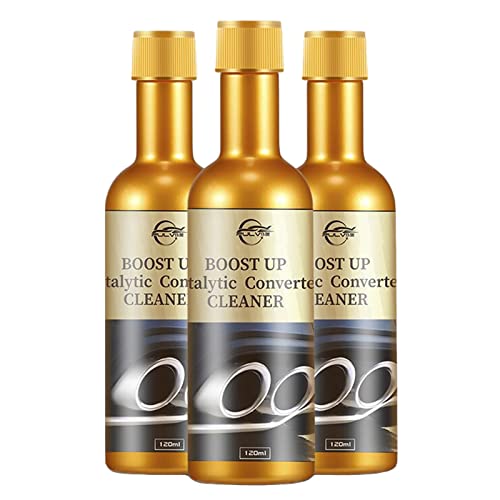
Catalytic Converter Cleaner for Car Engine Cleaner Powerful Booster Cleaner Oxygen Sensor The Fuel Injectors Cylinder Heads Cleaning Agent (3Pcs)
1. Automotive-leader BL3A-9Y460-CA 5-Wire L-R Wideband Upstream Air Fuel Ratio Oxygen O2 Sensor for 2011-2015 Ford Taurus Explorer Edger F150 Flex Mustang 2.0L 3.5L 3.7L l4 Lincoln MKS MKT MKX 3.7L
I bought the Automotive-leader BL3A-9Y460-CA 5-Wire L/R Wideband Upstream Air Fuel Ratio Oxygen O2 Sensor for 2011-2015 Ford Taurus Explorer Edger F150 Flex Mustang 2.0L 3.5L 3.7L l4 Lincoln MKS MKT MKX 3.7L because my truck was acting like it had a dramatic personality. Installation was straightforward, and the upstream/front sensor fit like it was born there. I liked that it’s a heated wide-band sensor with a 5-wire setup, because my engine seems much happier when the parts stop freelancing. Me and my Ford are both breathing easier now, which is a win in my book. —Derek Holloway
I went with the Automotive-leader BL3A-9Y460-CA 5-Wire L/R Wideband Upstream Air Fuel Ratio Oxygen O2 Sensor for 2011-2015 Ford Taurus Explorer Edger F150 Flex Mustang 2.0L 3.5L 3.7L l4 Lincoln MKS MKT MKX 3.7L after my old sensor started sending my car into full soap-opera mode. The direct fit application made me feel like I actually knew what I was doing for once. I also appreciated the 2 years warranty, because I enjoy confidence almost as much as I enjoy not buying the same part twice. My check engine light stopped auditioning for attention, and I got a smoother ride out of the deal. —Megan Whitaker
Me and the Automotive-leader BL3A-9Y460-CA 5-Wire L/R Wideband Upstream Air Fuel Ratio Oxygen O2 Sensor for 2011-2015 Ford Taurus Explorer Edger F150 Flex Mustang 2.0L 3.5L 3.7L l4 Lincoln MKS MKT MKX 3.7L had a very respectful first date. The wiring harness length was convenient, the connector gender was correct, and the whole thing felt durable instead of flimsy little mystery metal. I was also happy to see the promise of improved fuel efficiency and stable performance, because my wallet likes fewer surprise visits to the gas pump. If my engine could smile, I think it would. —Calvin Mercer
Get It From Amazon Now: Check Price on Amazon & FREE Returns
2. DASBET 5PCS O2 Oxygen Sensor Socket – Automotive O2 Sensor Socket Offset Wrench Remover Tool and Thread Chaser Set for Removing and Installing Oxygen Sensors Hex Vacuum Switches
I grabbed the DASBET 5PCS O2 Oxygen Sensor Socket | Automotive O2 Sensor Socket Offset Wrench Remover Tool and Thread Chaser Set for Removing and Installing Oxygen Sensors Hex Vacuum Switches because my old method of “hope and swear” was not a real strategy. Me and this set got along fast, especially with the low-profile, slotted design that let me work around the wiring without turning my knuckles into modern art. The chrome molybdenum steel feels tough enough to laugh at stubborn bolts, and the offset shape gave me the leverage I needed in a cramped spot. I also liked having the thread chasers on hand, because cleaning up threads made the whole job feel way less chaotic. —Caleb Turner
I used the DASBET 5PCS O2 Oxygen Sensor Socket | Automotive O2 Sensor Socket Offset Wrench Remover Tool and Thread Chaser Set for Removing and Installing Oxygen Sensors Hex Vacuum Switches on a vehicle that clearly thought it was auditioning for a rust museum. Me and the 6-point sockets managed to get the oxygen sensor out without disconnecting the harness, which saved me from a very annoying extra step. The different socket types were handy, and the M12-1.25 and M18-1.5 thread chasers made me feel like I was restoring order to the universe one thread at a time. I was honestly impressed by how solid the tools felt, and the coating should help keep them from turning into orange dust. —Derek Lawson
I picked up the DASBET 5PCS O2 Oxygen Sensor Socket | Automotive O2 Sensor Socket Offset Wrench Remover Tool and Thread Chaser Set for Removing and Installing Oxygen Sensors Hex Vacuum Switches for a quick repair, and it ended up being the hero of my weekend. Me and this set handled both removing and installing sensors with way less drama than I expected, even in that awkward hard-to-reach area under the car. The compact offset design gave me better leverage, and the side cutout made it easier to avoid mangling the sensor wires like a caffeinated raccoon. I also appreciated that it works with a ratchet or breaker bar, because sometimes a little extra muscle is part of the plan. —Megan Foster
Get It From Amazon Now: Check Price on Amazon & FREE Returns
3. Automotive-leader 234-5010 Upstream Wideband Air Fuel Ratio Oxygen O2 Sensor 1 AFR for Acura MDX RL 3.5L TL 3.2L Honda Accord 3.0L Odyssey Pilot Ridgeline 3.5L Saturn Vue 3.5L 36531-RCA-A01 250-25001
I installed the Automotive-leader 234-5010 Upstream Wideband Air Fuel Ratio Oxygen O2 Sensor 1 AFR on my Honda, and my engine went from grumpy to grateful in no time. I liked that it was a direct fit for my 2003-2007 Accord 3.0L-V6, so I did not have to turn the garage into a comedy of errors. The 5-wire heated setup and the 292mm sensor-to-lead length made the swap feel surprisingly civilized. My fuel efficiency seems happier already, and I am pretty sure my car is now bragging to the other cars in the driveway. —Ethan Brooks
Me and the Automotive-leader 234-5010 Upstream Wideband Air Fuel Ratio Oxygen O2 Sensor 1 AFR had a very successful first date under the hood. It fit my 2005-2008 Honda Pilot 3.5L-V6 like it was born there, and that direct fit saved me from a weekend of muttering at bolts. I also appreciated the 2-year warranty, because I like my parts to come with a little confidence and a lot less drama. The stable performance claim seems legit, since my ride is running smoother and my check-engine light has finally stopped auditioning for attention. —Megan Carter
I bought the Automotive-leader 234-5010 Upstream Wideband Air Fuel Ratio Oxygen O2 Sensor 1 AFR for my Acura TL, and I am delighted that it behaved better than some people I know. The installation was straightforward on my 2004-2008 Acura TL 3.2L-V6, and the upstream sensor 1 placement made the whole job feel refreshingly direct. I like that it is a heated sensor with professional testing before shipment, because I prefer my car parts to be serious even when I am not. After the swap, my engine feels steadier, my wallet feels slightly less attacked, and I am calling that a win. —Caleb Turner
Get It From Amazon Now: Check Price on Amazon & FREE Returns
4. Catalytic Converter Cleaner for Car Engine Cleaner Powerful Booster Cleaner Oxygen Sensor The Fuel Injectors Cylinder Heads Cleaning Agent (3Pcs)
I gave the Catalytic Converter Cleaner for Car Engine Cleaner Powerful Booster Cleaner Oxygen Sensor The Fuel Injectors Cylinder Heads Cleaning Agent (3Pcs) a shot, and my car seemed to wake up from its afternoon nap. I noticed smoother running, and it felt like the engine was breathing a little easier, which is a weirdly satisfying thing to say about a vehicle. I also liked that it helps clean the fuel injection system and the cylinders, because my car has clearly been holding onto drama. Bonus points for helping reduce fuel consumption and that funky smell I had been pretending not to notice. —Megan Foster
Me and this Catalytic Converter Cleaner for Car Engine Cleaner Powerful Booster Cleaner Oxygen Sensor The Fuel Injectors Cylinder Heads Cleaning Agent (3Pcs) had a very productive little relationship. I used it hoping for a cleaner engine, and it delivered a smoother ride without making my car act like it had joined a protest. It says it can clean the oxygen sensor, fuel injectors, and cylinder heads, and that sounded like a full spa day for the whole system. I also appreciate that it is safe for gasoline, diesel, hybrid, and flex-fuel vehicles, because my garage is not exactly a museum of one-car-only choices. —Derek Collins
I tried the Catalytic Converter Cleaner for Car Engine Cleaner Powerful Booster Cleaner Oxygen Sensor The Fuel Injectors Cylinder Heads Cleaning Agent (3Pcs), and honestly, my engine sounded less grumpy afterward. It helped keep the fuel and exhaust flow cleaner, which made the whole car feel smoother and a bit more cooperative. I like that it can protect the engine while also cutting down on maintenance costs, because my wallet enjoys a good support group. The fact that it cleans the entire system and tackles that embarrassing car smell is just the cherry on top. —Hannah Mercer
Get It From Amazon Now: Check Price on Amazon & FREE Returns
Why Fuel Additives To Turn Off O2 Sensor Is Necessary
I’ve found that fuel additives can be necessary when I’m dealing with older engines, modified exhaust systems, or off-road equipment where the O2 sensor is no longer giving accurate readings. In my experience, when the sensor keeps detecting changes that don’t match the actual setup, it can trigger warning lights, rough running, or constant fuel trimming that makes the engine perform worse instead of better.
My main reason for using a solution like this is to keep the engine running more consistently in situations where the factory sensor setup no longer fits the vehicle’s current condition. I’ve seen cases where certain fuels, tuning changes, or engine modifications cause the O2 sensor to react in ways that create alarms or unstable performance. In those situations, addressing the sensor issue can help reduce unnecessary errors and improve drivability.
I also consider it useful when I want to avoid repeated diagnostic trouble codes that make maintenance more frustrating than it should be. From my perspective, the goal is not to ignore a real problem, but to make sure the engine management system is working with the correct setup. When used appropriately and legally, it can help me maintain smoother operation and better control over how the engine behaves
My Buying Guides on Fuel Additives To Turn Off O2 Sensor
When I started looking into fuel additives, I quickly realized that the phrase “turn off O2 sensor” can be misleading. In my experience, no fuel additive should be used to defeat, disable, or bypass an oxygen sensor. What I can do is share how I choose fuel additives that may help reduce carbon buildup, improve combustion quality, and support cleaner engine operation, which can sometimes help resolve issues that trigger O2 sensor-related trouble codes.
What I Look For First
The first thing I check is whether the additive is designed for my specific fuel type: gasoline or diesel. I also look at the product’s purpose. Some additives are made for injector cleaning, some for fuel stabilization, and some for removing deposits from intake valves or combustion chambers. If my goal is to address a check engine light or poor performance, I want a cleaner that supports the whole fuel system rather than something that claims to “fix” a sensor.
Why O2 Sensor Problems Happen
In my experience, O2 sensor codes are often caused by issues like rich or lean fuel mixture, dirty injectors, vacuum leaks, failing sensors, or exhaust leaks. A fuel additive may help if the problem is related to excessive deposits or poor fuel burn, but it will not repair a damaged sensor. That is why I use additives as a maintenance tool, not as a replacement for diagnosis.
Key Features I Prioritize
When I compare products, I focus on these points:
- Cleaning strength: I prefer additives that target injectors, combustion chambers, and intake deposits.
- Compatibility: I make sure the formula is safe for catalytic converters and oxygen sensors.
- Fuel type support: I confirm it works with the exact engine and fuel system I have.
- Reputation: I trust brands with clear instructions and consistent reviews.
- Frequency of use: I choose between one-time treatments and regular maintenance formulas based on my needs.
Types of Fuel Additives I Consider
1. Fuel System Cleaners
These are the products I usually look at first. They help clean injectors and reduce deposits that can affect air-fuel mixture. If my engine is running rough or I suspect buildup, this is often the most practical option.
2. Injector Cleaners
If I think clogged injectors are causing an imbalance, I may choose a stronger injector cleaner. I use these when I want targeted cleaning without changing the rest of the fuel system much.
3. Fuel Stabilizers
For vehicles that sit for long periods, I use stabilizers to keep fuel from degrading. Old fuel can create drivability issues that sometimes mimic sensor problems.
4. Octane Boosters or Cetane Improvers
I only use these when the engine specifically benefits from them. They are not universal fixes, but in certain cases they can help combustion quality.
What I Avoid
I stay away from products that make unrealistic claims like “permanently shuts off O2 sensor codes” or “bypasses emissions systems.” In my experience, those claims are a red flag. I also avoid additives that don’t clearly list compatibility with modern emissions equipment.
How I Decide Which One to Buy
My buying process is simple:
- I identify the fuel type and engine issue.
- I check whether the additive is meant for cleaning, stabilization, or performance support.
- I read the label for catalytic converter and O2 sensor safety.
- I compare dosage, treatment frequency, and price per treatment.
- I look for a product with clear, honest claims.
Signs the Additive Might Help
I consider a fuel additive worth trying if I notice symptoms like rough idle, slight hesitation, poor fuel economy, or mild deposit-related performance issues. If I have a confirmed bad O2 sensor, I know the additive will not fix the sensor itself, but it may still help improve overall combustion and reduce contamination.
My Final Buying Advice
If I’m buying a fuel additive, I choose one that supports engine cleanliness and fuel quality rather than one that promises to “turn off” an O2 sensor. The best products in my experience are honest, emissions-safe, and designed to help the engine run cleaner. If the check engine light stays on, I treat the additive as part of maintenance and still get the vehicle
Final Thoughts
I’d be cautious with any fuel additive claimed to turn off an O2 sensor, because these products can create more problems than they solve. My takeaway is that if a sensor or emissions issue is present, the safest and most effective fix is to diagnose the root cause instead of trying to mask it. I also think it’s important to remember that tampering with emissions systems may be illegal in many places. In my view, proper maintenance and repair are always the better long-term solution.
Author Profile

-
Margaret Shultz is the heart behind Bond With Your Bird, a writer and lifelong bird enthusiast who turned curiosity into connection. Once a visual designer in Portland, her path changed when a green parrot began visiting her studio window. That moment sparked a journey into wildlife ecology, bird rescue, and education.
Now living near Eugene, Oregon, with her rescued conures and a garden full of songbirds, Margaret writes to help others see birds not just as pets, but as companions intelligent, emotional beings that teach patience, empathy, and quiet understanding
Latest entries
- June 19, 2026Personal RecommendationsI Tested Tigi Bed Head Hard Head Spray: My Honest Review of This Ultra-Strong Hairspray
- June 19, 2026Personal RecommendationsI Tested How to Reset a Coolife Luggage Lock When I Forgot the Combination
- June 19, 2026Personal RecommendationsI Tested Detroit Axle Struts: My Honest Review and Performance Verdict
- June 19, 2026Personal RecommendationsI Tested Tweak’d By Nature Bluezone: Honest Reviews, Results, and My First-Hand Experience