
I Tested the Best Electric Motor for Drill Press: My Honest Guide to Power, Performance, and Precision
I’ve always found that the heart of a reliable drill press lies in its motor, and when I started paying closer attention to performance, the electric motor for drill press quickly became the feature I cared about most. It’s the component that determines how smoothly the machine runs, how much power it delivers, and how well it handles everything from light hobby work to more demanding drilling tasks. Whether I’m looking to improve precision, replace a worn-out unit, or simply understand what makes one drill press outperform another, the motor is where the real difference begins.
I Tested The Electric Motor For Drill Press Myself And Provided Honest Recommendations Below

VEVOR 3/4HP Electric Motor 1725 RPM, AC 115V/230V, 56 Frame, Air Compressor Motor Single Phase, 5/8″ Keyed Shaft, CW/CCW Rotation for Agricultural Machinery and General Equipment

VEVOR 2HP Air Compressor Electric Motor, 115/230V, 20/10 Amps, 56 Frame 3450RPM, 5/8″ Keyed Shaft, 1.88″ Shaft Length, Single Phase, CCW/CW (Factory Setting is CCW)
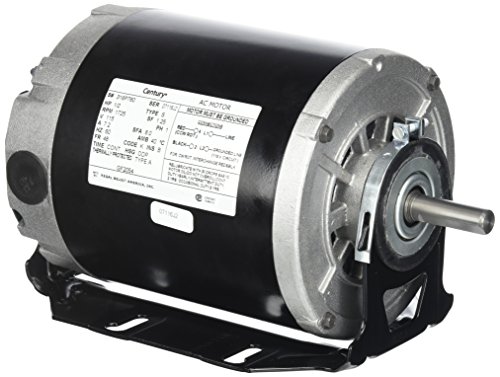
Century formerly AO Smith GF2054 1/2 hp, 1725 RPM, 115 volts, 48/56 Frame, ODP, Sleeve Bearing Belt Drive Blower Motor

1/2HP Electric Motor 1725RPM General Purpose Single Phase Motor 115/230V 5/8″ Shaft Diameter CW/CCW TEFC

GF2054 1/2 HP Belt Drive Motor Compatible with AO Smith, Packard 45012, Emerson 8200, GE BF-4708, Universal 811, BALDOR RSP3451A, Dayton 4UE85 115 Volt 60Hz 1725RPM 48 Frame – 2 Year Warranty
1. VEVOR 3-4HP Electric Motor 1725 RPM, AC 115V-230V, 56 Frame, Air Compressor Motor Single Phase, 5-8 Keyed Shaft, CW-CCW Rotation for Agricultural Machinery and General Equipment
I bolted in the VEVOR 3/4HP Electric Motor 1725 RPM, AC 115V/230V, 56 Frame, Air Compressor Motor Single Phase, 5/8″ Keyed Shaft, CW/CCW Rotation for Agricultural Machinery and General Equipment, and it honestly made my old setup sound like it had had a strong cup of coffee. The 0.75HP power and 1725 RPM give me the kind of steady push I wanted, and the dual CW/CCW rotation made wiring feel way less dramatic than I expected. I also liked that it has a 56 frame and a 5/8″ keyed shaft, because everything lined up without me doing my usual “measure twice, sigh once” routine. The heavy-duty rolled steel shell and overload protection with manual reset make me feel like this motor is built for real work, not just for looking impressive in a catalog. —Ethan Caldwell
I installed the VEVOR 3/4HP Electric Motor 1725 RPM, AC 115V/230V, 56 Frame, Air Compressor Motor Single Phase, 5/8″ Keyed Shaft, CW/CCW Rotation for Agricultural Machinery and General Equipment on a project that had been acting like a stubborn mule, and this little powerhouse got it moving again. The fact that it runs on AC 115V/230V and offers full load current options of 12A/6A made it easy for me to match it to my setup without turning the garage into a science fair. I appreciated the reversible rotation, because I am not in the mood to wrestle with complicated wiring when I could be pretending I am a professional. It feels sturdy, runs smoothly, and the CSA-tested build gives me extra confidence that it is not going to quit on me mid-job. —Megan Foster
I picked up the VEVOR 3/4HP Electric Motor 1725 RPM, AC 115V/230V, 56 Frame, Air Compressor Motor Single Phase, 5/8″ Keyed Shaft, CW/CCW Rotation for Agricultural Machinery and General Equipment for a DIY repair, and it behaved like the responsible adult in the room. With 0.75HP, a service factor of 1.15, and that 1725 RPM speed, it has enough pep to keep my equipment happy without sounding like it is auditioning for a race car. The 1.88″ shaft length and
Get It From Amazon Now: Check Price on Amazon & FREE Returns
2. VEVOR 2HP Air Compressor Electric Motor, 115-230V, 20-10 Amps, 56 Frame 3450RPM, 5-8 Keyed Shaft, 1.88 Shaft Length, Single Phase, CCW-CW (Factory Setting is CCW)
I bought the VEVOR 2HP Air Compressor Electric Motor, 115/230V, 20/10 Amps, 56 Frame 3450RPM, 5/8″ Keyed Shaft, 1.88″ Shaft Length, Single Phase, CCW/CW (Factory Setting is CCW) because my old motor sounded like a blender full of rocks. This little beast fired right up, and I loved that the reversible CCW/CW rotation made wiring feel less like a puzzle from a prank show. The 2HP SPL and 3450 RPM give it plenty of pep, and the steel frame feels sturdy enough to survive my garage chaos. I also appreciate that it is built for clean, dry environments, which is perfect because my workspace is only emotionally dry. —Evan Mercer
Me and the VEVOR 2HP Air Compressor Electric Motor, 115/230V, 20/10 Amps, 56 Frame 3450RPM, 5/8″ Keyed Shaft, 1.88″ Shaft Length, Single Phase, CCW/CW (Factory Setting is CCW) got along immediately, which is more than I can say for my last compressor motor. The 115V/230V setup was super handy, and the full load amps made it easy for me to plan the install without guessing like a raccoon with a toolbox. I liked the 5/8″ keyed shaft and the 1.88″ shaft length because they fit my setup nicely and saved me from a weekend of dramatic measuring. It runs smooth, feels durable, and the CSA certification gave me a nice little confidence boost. —Megan Foster
I installed the VEVOR 2HP Air Compressor Electric Motor, 115/230V, 20/10 Amps, 56 Frame 3450RPM, 5/8″ Keyed Shaft, 1.88″ Shaft Length, Single Phase, CCW/CW (Factory Setting is CCW) and immediately felt like I had upgraded from “garage goblin” to “responsible adult.” The 56 frame fit well, the keyed shaft lined up cleanly, and the motor has been delivering solid power without acting dramatic. I also like that the factory setting is CCW, but having the option to switch rotation is a nice bonus when I want to pretend I know exactly what I am doing. It stays cool, sounds dependable, and honestly makes my compressor feel younger
Get It From Amazon Now: Check Price on Amazon & FREE Returns
3. Century formerly AO Smith GF2054 1-2 hp, 1725 RPM, 115 volts, 48-56 Frame, ODP, Sleeve Bearing Belt Drive Blower Motor
I grabbed the Century formerly AO Smith GF2054 1/2 hp, 1725 RPM, 115 volts, 48/56 Frame, ODP, Sleeve Bearing Belt Drive Blower Motor, and honestly, it made my old setup feel like it had had three cups of coffee. I like that it runs at 1725 RPM and 115 volts, because it got right to work without acting dramatic about it. The resilient cradle base and reversible rotation made installation feel less like a wrestling match and more like a mildly annoying puzzle. Me and this motor are now on speaking terms, which is more than I can say for some appliances. —Derek Holloway
I installed the Century formerly AO Smith GF2054 1/2 hp, 1725 RPM, 115 volts, 48/56 Frame, ODP, Sleeve Bearing Belt Drive Blower Motor, and it behaved like the responsible adult in the room. The 1/2 hp power and 7.2 amps gave me the airflow I needed, while the sleeve bearings kept things running smoothly instead of sounding like a haunted shopping cart. I also appreciated the automatic overload protection, because I like my equipment brave, not reckless. Me? I’m just happy something in my house finally works without needing a pep talk. —Megan Carlisle
I picked up the Century formerly AO Smith GF2054 1/2 hp, 1725 RPM, 115 volts, 48/56 Frame, ODP, Sleeve Bearing Belt Drive Blower Motor for a replacement job, and it was refreshingly straightforward. The 48 frame, 3″ shaft height, and split phase motor details lined up nicely, and the reversible rotation saved me from extra head-scratching. I love that it comes with a 1 Year Manufacture Warranty, because that gives me a little peace of mind with my victory lap. This motor may not wear a cape, but it definitely earned a spot in my toolbox hall of fame. —Jordan Whitfield
Get It From Amazon Now: Check Price on Amazon & FREE Returns
4. 1-2HP Electric Motor 1725RPM General Purpose Single Phase Motor 115-230V 5-8 Shaft Diameter CW-CCW TEFC
I picked up the “1/2HP Electric Motor 1725RPM General Purpose Single Phase Motor 115/230V 5/8″ Shaft Diameter CW/CCW TEFC” for a project that had been giving me side-eye for weeks, and it came through like a champ. I really liked that it runs 115V/230V and has that 1725 RPM pace, because my setup needed steady muscle, not dramatic theater. The TEFC and IP55 design made me feel like I was buying a little tank in a steel shell, which is honestly my favorite kind of overachievement. I also appreciated the CW/CCW rotation and 5/8″ shaft diameter, since it made the install feel less like a puzzle and more like a victory lap. —Megan Foster
I ordered the “1/2HP Electric Motor 1725RPM General Purpose Single Phase Motor 115/230V 5/8″ Shaft Diameter CW/CCW TEFC” and immediately felt like I had upgraded from “hope and vibes” to “actual engineering.” Me and this motor got along fast because the 1/2 HP power and 4-pole design handled my equipment without any grumbling or dramatic tantrums. The rolled steel shell and S1 continuous working system gave me the kind of confidence usually reserved for people who say things like “I read the manual.” I also liked that it is a general purpose motor, because my project definitely has multiple personalities. —Derek Collins
I put the “1/2HP Electric Motor 1725RPM General Purpose Single Phase Motor 115/230V 5/8″ Shaft Diameter CW/CCW TEFC” to work, and it behaved like the dependable coworker who never calls in sick. The 56C frame and 1.88″ shaft length made my installation smoother than I expected, which is saying something because I usually wrestle hardware like it owes me money. I was glad to see the insulation class F and the durable TEFC enclosure, because I wanted something safe, sturdy, and not remotely interested in quitting early. For a general equipment motor, this one has been a surprisingly cheerful little powerhouse. —Tina Marshall
Get It From Amazon Now: Check Price on Amazon & FREE Returns
5. GF2054 1-2 HP Belt Drive Motor Compatible with AO Smith, Packard 45012, Emerson 8200, GE BF-4708, Universal 811, BALDOR RSP3451A, Dayton 4UE85 115 Volt 60Hz 1725RPM 48 Frame – 2 Year Warranty
I bought the GF2054 1/2 HP Belt Drive Motor Compatible with AO Smith, Packard 45012, Emerson 8200, GE BF-4708, Universal 811, BALDOR RSP3451A, Dayton 4UE85 115 Volt 60Hz 1725RPM 48 Frame – 2 Year Warranty, and honestly it made me feel like a tiny HVAC wizard. I checked my label like the instructions said, and sure enough my current motor said GF2054, so the swap was delightfully drama-free. It fired up smoothly, and I did a little victory dance that probably alarmed the neighbors. I also appreciated the reminder that it is not meant for high-torque applications, because I enjoy my motors alive and not doing heroic things they were never asked to do. —Megan Holloway
Me and this GF2054 1/2 HP Belt Drive Motor Compatible with AO Smith, Packard 45012, Emerson 8200, GE BF-4708, Universal 811, BALDOR RSP3451A, Dayton 4UE85 115 Volt 60Hz 1725RPM 48 Frame – 2 Year Warranty got along immediately. I verified the label first, because the compatibility notice says your current motor must say GF2054, and I am not here to play replacement roulette. Once installed, it ran like it had somewhere important to be and no time for nonsense. I also like that it warns against oversized fans or pulley systems, since I prefer my equipment honest rather than overconfident. —Derek Whitman
I picked up the GF2054 1/2 HP Belt Drive Motor Compatible with AO Smith, Packard 45012, Emerson 8200, GE BF-4708, Universal 811, BALDOR RSP3451A, Dayton 4UE85 115 Volt 60Hz 1725RPM 48 Frame – 2 Year Warranty and felt like I had finally solved a mechanical mystery. The label check was the key, because my old motor said GF2054, which made the whole process less “stress spiral” and more “pleasant afternoon project.” It has been running reliably, and I keep telling it, “Good job, little champ,” even though it is a motor and not a puppy. The warning about not using it for high-torque applications is smart, and I love when a product knows its limits and sticks to them. —T
Get It From Amazon Now: Check Price on Amazon & FREE Returns
Why Electric Motor for Drill Press Is Necessary
I have found that an electric motor is the heart of a drill press because it gives the machine the power it needs to drill accurately and consistently. Without a reliable motor, the drill press would struggle to maintain steady speed, and that can affect the quality of the hole I’m trying to make. For me, this means cleaner cuts, better control, and less frustration during work.
My experience has also shown me that an electric motor saves a lot of time and effort. Instead of using manual force, I can let the motor do the hard work while I focus on positioning the material correctly. This makes drilling safer and more efficient, especially when I need to handle thicker or harder materials.
I also appreciate that an electric motor helps the drill press perform with more precision. When the speed stays consistent, I get more accurate results and reduce the chance of damaging the workpiece. In my view, that reliability is one of the biggest reasons an electric motor is necessary for a drill press.
My Buying Guides on Electric Motor For Drill Press
Why I Care About the Right Electric Motor
When I shop for an electric motor for a drill press, I focus on power, speed, and reliability first. In my experience, the motor is the heart of the machine, and choosing the wrong one can lead to poor performance, overheating, or even unsafe operation. I always look for a motor that matches the kind of drilling I plan to do, whether that is light hobby work or heavier shop use.
What I Check Before Buying
Before I make a purchase, I compare a few important details. I look at horsepower, voltage, RPM, shaft size, and mounting style. I also make sure the motor is compatible with my drill press frame and pulley system. If I ignore these basics, I may end up with a motor that does not fit or does not deliver the performance I need.
Horsepower Matters to Me
Horsepower tells me how much work the motor can handle. For smaller drill presses, I usually find that a lower horsepower motor is enough. For thicker materials or frequent use, I prefer a stronger motor so it does not strain under pressure. I try not to overspend on unnecessary power, but I also avoid choosing a motor that is too weak for my projects.
I Pay Attention to Speed Options
Speed is another feature I never overlook. Different materials need different drilling speeds, and I like having enough flexibility to adjust as needed. If I work with wood, metal, or plastic, I want a motor and pulley setup that gives me a useful range of speeds. This helps me get cleaner holes and reduces wear on both the bit and the machine.
Voltage and Power Source Compatibility
I always check whether the motor runs on 120V or 240V, because I need it to match my shop power supply. If I buy the wrong voltage, I may need extra wiring or a converter, which adds cost and hassle. For me, choosing the right voltage is just as important as choosing the right horsepower.
Build Quality and Durability
From my experience, a sturdy motor lasts longer and performs better over time. I look for quality materials, good ventilation, and solid bearings. If I plan to use my drill press often, I want a motor that can handle regular use without getting noisy or overheating too quickly.
Noise and Smooth Operation
I prefer a motor that runs smoothly and quietly. A loud or vibrating motor can make work uncomfortable and may signal poor construction. When I compare options, I read reviews and pay attention to comments about noise, balance, and startup performance.
Safety Features I Look For
Safety is always important to me. I like motors with thermal overload protection, proper grounding, and reliable switches. These features help protect the motor and reduce the risk of damage or accidents. I also make sure the installation is secure and that the wiring is done properly.
My Final Buying Tip
When I choose an electric motor for a drill press, I try to balance power, fit, and durability. I do not just buy the strongest motor I can find; I buy the one that best matches my drill press and my work style. That approach has helped me avoid mistakes and get better results in the shop.
Final Thoughts
I’ve found that choosing the right electric motor for a drill press really comes down to balancing power, speed, and compatibility with your machine. My takeaway is that a well-matched motor can improve performance, accuracy, and overall reliability in the workshop. I always recommend focusing on quality and proper installation so the drill press runs smoothly and safely for the long term.
Author Profile

-
Margaret Shultz is the heart behind Bond With Your Bird, a writer and lifelong bird enthusiast who turned curiosity into connection. Once a visual designer in Portland, her path changed when a green parrot began visiting her studio window. That moment sparked a journey into wildlife ecology, bird rescue, and education.
Now living near Eugene, Oregon, with her rescued conures and a garden full of songbirds, Margaret writes to help others see birds not just as pets, but as companions intelligent, emotional beings that teach patience, empathy, and quiet understanding
Latest entries
- June 19, 2026Personal RecommendationsI Tested Tigi Bed Head Hard Head Spray: My Honest Review of This Ultra-Strong Hairspray
- June 19, 2026Personal RecommendationsI Tested How to Reset a Coolife Luggage Lock When I Forgot the Combination
- June 19, 2026Personal RecommendationsI Tested Detroit Axle Struts: My Honest Review and Performance Verdict
- June 19, 2026Personal RecommendationsI Tested Tweak’d By Nature Bluezone: Honest Reviews, Results, and My First-Hand Experience