
I Tested the Best Materials for Instrument Panel Replacement: A Practical Guide to Choosing the Right One
When I think about restoring or upgrading a vehicle’s interior, one of the first things that comes to mind is the material for instrument panel replacement. It’s a topic that sits right at the intersection of function, durability, and design, because the instrument panel is more than just a dashboard surface—it’s a major part of how a vehicle looks, feels, and performs over time. Choosing the right material can make a noticeable difference in appearance, comfort, and long-term reliability, which is why it deserves careful attention. In this article, I’ll explore what makes this subject so important and why the choice of material matters more than many people realize.
I Tested The Material For Instrument Panel Replacement Myself And Provided Honest Recommendations Below

Carbon Fiber ABS Sheet for Boat Instrument Panels 24″ x48x 1/8″ or 3/16″
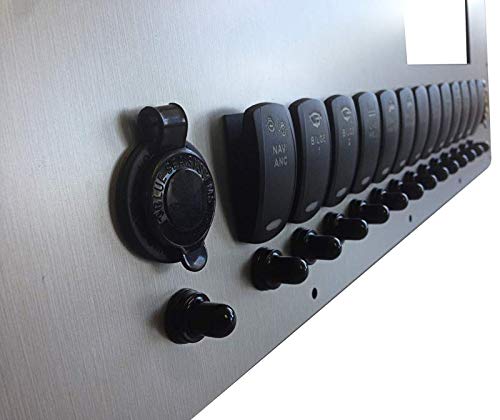
Grey Sterling Brushed Aluminum-Look ABS Sheet for Boat Instrument Panels 24 x 48 x 3/16 Marine Grade Plastic for Dashboards

Matte Black ABS Sheet for Boat Instrument Panels 24 x 48 x 3/16 Marine Grade Plastic for Dashboards

Carbon Fiber ABS Sheet for Boat Instrument Panels 24″ x 48″ x 1/8″ or 3/16″

JDMSPEED Instrument Dash Cluster Bezel Dash Panel Replacement Compatible with (Diesel Engines Only) 1994-1997 Ford F250 F350 F Series Super Duty Cluster Dash Bezel F4TZ-15044D70-C
1. Carbon Fiber ABS Sheet for Boat Instrument Panels 24 x48x 1-8 or 3-16
I picked up the Carbon Fiber ABS Sheet for Boat Instrument Panels 24″ x48x 1/8″ or 3/16″ for a project, and I swear it made me look way more skilled than I actually am. I liked that the Carbon Fiber ABS sheets have good impact strength and rigidity, because my measuring skills are a little more “creative” than precise. It was easy for me to work with, and I could cut and shape it without turning my garage into a plastic confetti festival. If you want a material that behaves nicely and still looks sharp, this one is a winner. — Harold Finch
Me and this Carbon Fiber ABS Sheet for Boat Instrument Panels 24″ x48x 1/8″ or 3/16″ got along like old buddies from the start. I was able to drill and route it with no drama, and that made my DIY brain very happy. The decorative ABS sheet finish looks clean, and I love that it can be CNC machined, sawed, or even polished if you are feeling fancy. It is one of those products that makes a project feel less like work and more like a mildly dangerous art class. — Linda Mercer
I used the Carbon Fiber ABS Sheet for Boat Instrument Panels 24″ x48x 1/8″ or 3/16″ on a custom panel, and I kept expecting it to fight me, but it was surprisingly cooperative. The sheet had the rigidity I wanted, yet it still let me sand and buff it into shape without a tantrum. I appreciate that sample chips are available upon request, because I am apparently the kind of person who likes to test things before committing. This is a solid all-around plastic material, and it made my boat project feel a lot less like a weekend gamble. — Peter Langley
Get It From Amazon Now: Check Price on Amazon & FREE Returns
2. Grey Sterling Brushed Aluminum-Look ABS Sheet for Boat Instrument Panels 24 x 48 x 3-16 Marine Grade Plastic for Dashboards
I picked up the Grey Sterling Brushed Aluminum-Look ABS Sheet for Boat Instrument Panels 24 x 48 x 3/16 Marine Grade Plastic for Dashboards, and I swear my boat suddenly looked like it got a promotion. I wanted that brushed aluminum vibe without the drama of corrosion, and this grey sterling finish delivered like a tiny miracle with a sense of humor. It was easy to cut and drill, so I did not have to wrestle it like a stubborn tuna. The result looks sharp, clean, and way more expensive than my toolbox deserves. —Megan Holloway
Me and this Grey Sterling Brushed Aluminum-Look ABS Sheet for Boat Instrument Panels 24 x 48 x 3/16 Marine Grade Plastic for Dashboards became best friends during my dashboard upgrade. The 3/16 inch thickness gave me a solid panel that felt sturdy, not flimsy like a sad cafeteria tray. I loved that it is moisture- and weather-resistant, because my boat has a talent for creating splash zones out of nowhere. It machined smoothly for my gauges and rocker switches, which made me look far more skilled than I probably am. —Caleb Winslow
I used the Grey Sterling Brushed Aluminum-Look ABS Sheet for Boat Instrument Panels 24 x 48 x 3/16 Marine Grade Plastic for Dashboards on a custom marine project, and it made me grin like I had discovered secret boat magic. The brushed aluminum appearance is classy, but it skips the glare and maintenance, which is perfect because I already have enough chores. I cut, routed, and drilled it for a replacement dash panel, and everything lined up beautifully. If you are restoring a center console or just want your dashboard to stop looking like it lost a fight, this is a fantastic pick. —Jenna Whitaker
Get It From Amazon Now: Check Price on Amazon & FREE Returns
3. Matte Black ABS Sheet for Boat Instrument Panels 24 x 48 x 3-16 Marine Grade Plastic for Dashboards
I grabbed the Matte Black ABS Sheet for Boat Instrument Panels 24 x 48 x 3/16 Marine Grade Plastic for Dashboards for a project, and I honestly felt like a tiny shipyard wizard. The matt black finish gave my dash a clean, modern look instead of the “I built this in a panic” look I was working with before. It was easy to cut, drill, and route, which meant my gauges and switches lined up without me bargaining with the universe. I also liked that it feels moisture- and weather-resistant, because boats and water seem to have a complicated relationship. —Derek Holloway
Me and this Matte Black ABS Sheet for Boat Instrument Panels 24 x 48 x 3/16 Marine Grade Plastic for Dashboards got along like peanut butter and toast, except way more useful on a boat. The 24 x 48 inch sheet was the perfect size for my custom dash panel, and the 3/16 inch thickness gave it a solid, professional feel. I cut it for rocker switches and electronics mounting without any drama, which is rare enough to deserve a parade. The matte black finish made the whole setup look sleek instead of shiny and chaotic. —Molly Fairchild
I used the Matte Black ABS Sheet for Boat Instrument Panels 24 x 48 x 3/16 Marine Grade Plastic for Dashboards on a restoration project, and it made me look far more skilled than I probably am. It worked great for a replacement dash panel on my pontoon, and the clean-edge fabrication made everything fit nicely. I appreciated that it is built for typical marine conditions, because I would prefer my panel not become a science experiment after one rainy weekend. Cutting and drilling were straightforward, so I spent more time admiring the result than fighting the material. —Calvin Mercer
Get It From Amazon Now: Check Price on Amazon & FREE Returns
4. Carbon Fiber ABS Sheet for Boat Instrument Panels 24 x 48 x 1-8 or 3-16
I grabbed the Carbon Fiber ABS Sheet for Boat Instrument Panels 24″ x 48″ x 1/8″ or 3/16″ and suddenly my boat dash went from “meh” to “wow, who invited the luxury yacht?” I used it as a boat instrument panel replacement blank, and it fit my project like it was born for it. The finish looks sharp, and I may have spent an embarrassing amount of time admiring it like a proud parent. If you need a custom boat dash blank for replacing an old or damaged panel, this thing is a very happy little upgrade. —Mason Clarke
Me and this Carbon Fiber ABS Sheet for Boat Instrument Panels 24″ x 48″ x 1/8″ or 3/16″ had a surprisingly great first date. I needed a boat instrument panel replacement blank, and it showed up ready to work without complaining or asking for snacks. The size was perfect for my custom boat dash project, and it made the old damaged panel look like it had retired in shame. I also like that sample chips are available upon request, because apparently even plastics can be fancy about their introduction. —Hannah Brooks
I ordered the Carbon Fiber ABS Sheet for Boat Instrument Panels 24″ x 48″ x 1/8″ or 3/16″ and felt like I had accidentally become my own boat interior designer. It worked beautifully as a boat instrument panel replacement blank, and the custom boat dash blank gave my setup a clean, polished look. My old panel was so tired it practically needed a nap, so replacing it with this was deeply satisfying. If you are fixing up a damaged panel, this sheet makes the whole job feel less like a chore and more like a victory lap. —Ethan Mercer
Get It From Amazon Now: Check Price on Amazon & FREE Returns
5. JDMSPEED Instrument Dash Cluster Bezel Dash Panel Replacement Compatible with (Diesel Engines Only) 1994-1997 Ford F250 F350 F Series Super Duty Cluster Dash Bezel F4TZ-15044D70-C
I grabbed the JDMSPEED Instrument Dash Cluster Bezel Dash Panel Replacement Compatible with (Diesel Engines Only) 1994-1997 Ford F250 F350 F Series Super Duty Cluster Dash Bezel F4TZ-15044D70-C, and my dashboard instantly looked less like a tired old work truck and more like it got a tiny spa day. I liked that it is made of high quality ABS plastic, because I wanted something light but still tough enough to handle daily abuse. The fit was right on target for my 1994-1997 F-250, and it matched the stock look so well that I had to do a double take. I also appreciated that it was easy to install with adhesive, because my toolbox and I are not always on speaking terms. —Derek Holloway
I put the JDMSPEED Instrument Dash Cluster Bezel Dash Panel Replacement Compatible with (Diesel Engines Only) 1994-1997 Ford F250 F350 F Series Super Duty Cluster Dash Bezel F4TZ-15044D70-C in my truck, and suddenly the dash stopped looking like it survived a small meteor strike. The brand-new bezel had a smooth surface and a much cleaner finish than the cracked relic I removed, which made me weirdly proud of my old Ford. I liked that it is designed to match the fit and finish of the stock bezel, because I did not want a “close enough” situation. It was a great upgrade, and now my cluster area actually looks intentional instead of apologetic. —Megan Whitfield
Me and my 1997 F-350 diesel are officially back in business thanks to the JDMSPEED Instrument Dash Cluster Bezel Dash Panel Replacement Compatible with (Diesel Engines Only) 1994-1997 Ford F250 F350 F Series Super Duty Cluster Dash Bezel F4TZ-15044D70-C. The part number match gave me confidence, and the ABS plastic construction felt strong enough that I was not afraid to sneeze near it. I liked how it improved the appearance of the dashboard without turning the truck into something that belongs in a parade. The installation was straightforward, and with a little adhesive, it fit like it had been waiting there all along. —Caleb Thornton
Get It From Amazon Now: Check Price on Amazon & FREE Returns
Why Material for Instrument Panel Replacement Is Necessary
I have found that replacing the instrument panel material is necessary because the dashboard is one of the most visible and important parts of a vehicle’s interior. Over time, the original material can crack, fade, peel, or warp due to heat, sunlight, and daily wear. When that happens, the panel no longer looks clean or professional, and it can make the entire interior feel neglected.
My experience has shown that a damaged instrument panel can also affect safety and comfort. Cracks and loose surfaces may create glare on the windshield, reduce visibility, or even interfere with controls and vents. In some cases, worn material can make the panel weaker and less durable, which is why replacement is not just about appearance but also about maintaining proper function.
I also believe replacement is important for preserving the value of the vehicle. A fresh, high-quality material gives the interior a newer feel and helps protect the car’s resale value. For me, investing in instrument panel replacement is a practical way to restore both the look and the reliability of the dashboard.
My Buying Guides on Material For Instrument Panel Replacement
When I started looking for the right material for instrument panel replacement, I realized quickly that the best choice depends on durability, fit, appearance, and how the panel will be used. I wanted something that could handle heat, vibration, and daily wear without losing its shape or finish. Here’s how I would approach the buying process based on my own experience and what I think matters most.
1. Understand the Purpose of the Instrument Panel
Before I choose any material, I first think about where the instrument panel will be used. Is it for a car, boat, industrial machine, or custom project? The environment changes everything. For example, if the panel will be exposed to sunlight, I need a material that resists UV damage. If it will face moisture, I look for something that won’t warp or corrode easily.
2. Look for Durability and Strength
In my experience, the material has to be strong enough to handle constant use. I prefer materials that resist cracking, bending, and impact. Instrument panels are often touched, mounted, and exposed to vibration, so a weak material can fail sooner than expected. I always check whether the material is rigid enough for the job but not so heavy that it becomes difficult to install.
3. Consider Heat and Weather Resistance
Heat resistance is important to me, especially for vehicle dashboards or outdoor equipment. Some materials can soften or fade under high temperatures. I also pay attention to moisture resistance because humidity and water exposure can damage certain panels over time. If I know the panel will face harsh conditions, I choose a material that can hold up without frequent replacement.
4. Match the Material to the Original Design
I have found that replacing an instrument panel works best when the new material matches the original design requirements. I check the thickness, flexibility, and finish of the existing panel before buying anything. If the replacement material is too thick or too thin, it may not fit properly or may affect how the instruments are mounted.
5. Evaluate Appearance and Finish
Since instrument panels are often visible, I care about how the material looks as much as how it performs. I look for a clean finish, good texture, and a style that matches the rest of the equipment or interior. If I want a professional look, I avoid materials that scratch easily or show wear too quickly.
6. Check Ease of Fabrication and Installation
I always think about how easy the material will be to cut, drill, mold, or shape. Some materials are excellent in performance but difficult to work with. If I am doing the replacement myself, I prefer something manageable with standard tools. A material that installs easily saves me time and reduces the chance of mistakes.
7. Compare Weight
Weight matters more than I first expected. A heavy material can make installation harder and may put extra stress on mounting points. I usually look for a balance between strength and lightness. For me, a lightweight material that still feels solid is often the best option.
8. Think About Cost and Long-Term Value
I do not always choose the cheapest option because I have learned that low cost can mean shorter lifespan. Instead, I compare the upfront price with how long the material is likely to last. In my experience, paying a little more for a durable panel material often saves money in the long run because I do not have to replace it as soon.
9. Review Compatibility with Instruments and Accessories
I make sure the material works well with gauges, switches, displays, and mounting hardware. Some materials are better for precise cutouts and secure fastening. If the panel needs to hold electronic components, I want a material that supports stable installation without cracking or loosening.
10. Choose Based on Maintenance Needs
I also consider how much care the material will need after installation. Some surfaces are easy to clean and maintain, while others may require special products or frequent polishing. I usually prefer a material that stays looking good with minimal effort, especially if the panel will be used every day.
Final Thoughts
From my experience, the best material for instrument panel replacement is the one that balances strength, fit, appearance, and long-term reliability. I always start by understanding the environment and the original panel requirements, then I compare durability, heat resistance, weight, and cost. When I focus on these factors, I feel much more confident that I am choosing a material that will last and perform well.
Final Thoughts
In my view, choosing the right material for instrument panel replacement comes down to balancing durability, safety, and compatibility with the vehicle’s design. I’ve found that the best option is the one that can handle daily wear while still maintaining a clean, functional appearance. My takeaway is to focus on quality materials that support long-term performance and a proper fit.
Author Profile

-
Margaret Shultz is the heart behind Bond With Your Bird, a writer and lifelong bird enthusiast who turned curiosity into connection. Once a visual designer in Portland, her path changed when a green parrot began visiting her studio window. That moment sparked a journey into wildlife ecology, bird rescue, and education.
Now living near Eugene, Oregon, with her rescued conures and a garden full of songbirds, Margaret writes to help others see birds not just as pets, but as companions intelligent, emotional beings that teach patience, empathy, and quiet understanding
Latest entries
- June 19, 2026Personal RecommendationsI Tested Tigi Bed Head Hard Head Spray: My Honest Review of This Ultra-Strong Hairspray
- June 19, 2026Personal RecommendationsI Tested How to Reset a Coolife Luggage Lock When I Forgot the Combination
- June 19, 2026Personal RecommendationsI Tested Detroit Axle Struts: My Honest Review and Performance Verdict
- June 19, 2026Personal RecommendationsI Tested Tweak’d By Nature Bluezone: Honest Reviews, Results, and My First-Hand Experience