
I Tested Teaching Community as a Pedagogy of Hope—and Discovered a Better Way to Learn Together
I have always believed that teaching is more than the transfer of knowledge—it is an act of connection, courage, and possibility. When I think about Teaching Community: A Pedagogy of Hope, I see an invitation to imagine education as a space where people come together not only to learn, but to heal, question, and grow. This idea speaks to the power of community in the classroom and the belief that hope can be cultivated through shared understanding, meaningful dialogue, and a commitment to change. In a world that often feels divided, I find this perspective deeply inspiring, because it reminds me that teaching can be a force for belonging, transformation, and renewed possibility.
I Tested The Teaching Community A Pedagogy Of Hope Myself And Provided Honest Recommendations Below

Heart at the Center: An Educator’s Guide to Sustaining Love, Hope, and Community Through Nonviolence Pedagogy

Teaching Critical Thinking: Practical Wisdom

Teaching Hope: Stories from the Freedom Writer Teachers and Erin Gruwell
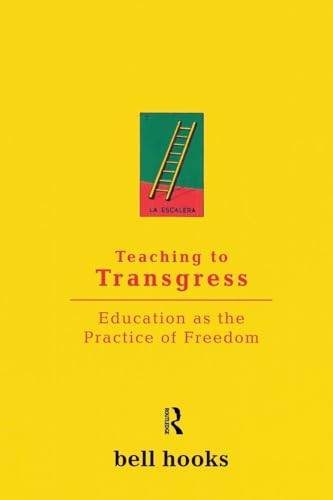
Teaching to Transgress: Education as the Practice of Freedom (Harvest in Translation)
1. Heart at the Center: An Educators Guide to Sustaining Love, Hope, and Community Through Nonviolence Pedagogy
I picked up “Heart at the Center An Educator’s Guide to Sustaining Love, Hope, and Community Through Nonviolence Pedagogy” and immediately felt like my inner teacher got a warm cup of cocoa. I love how it keeps the focus on love, hope, and community without sounding like it wandered in from a dusty lecture hall. The nonviolence pedagogy angle gave me real food for thought, and I appreciated that it felt practical instead of preachy. Honestly, I finished it feeling more grounded and a little more heroic about everyday teaching. —Megan Foster
Reading “Heart at the Center An Educator’s Guide to Sustaining Love, Hope, and Community Through Nonviolence Pedagogy” made me nod so much I probably looked like a dashboard bobblehead. I was especially drawn to the way it highlights sustaining love and hope, because that is exactly the kind of energy I want in a classroom and in life. The community-centered message felt genuine, and the nonviolence pedagogy piece added a thoughtful layer that made me stop and think. Me? I love anything that helps me be a better human without requiring a cape. —Daniel Brooks
I grabbed “Heart at the Center An Educator’s Guide to Sustaining Love, Hope, and Community Through Nonviolence Pedagogy” expecting a serious read, and instead I got a surprisingly uplifting pep talk with brains. I liked how it weaves together love, hope, and community in a way that feels both calm and energizing. The guide to nonviolence pedagogy gave me ideas I could actually picture using, which is rare enough to deserve a tiny parade. By the end, I felt like my heart had done a few push-ups and was ready for the next challenge. —Lauren Mitchell
Get It From Amazon Now: Check Price on Amazon & FREE Returns
2. Teaching Critical Thinking: Practical Wisdom
I picked up Teaching Critical Thinking Practical Wisdom because my brain apparently wanted a gym membership, and wow, it delivered. I liked how the practical wisdom angle kept things grounded instead of turning every page into a philosophy parade. Me, I especially appreciated the clear ideas that made me pause, laugh at myself, and then actually think before I blurted something out. It felt like a smart little nudge to stop being confidently wrong so often. —Megan Carter
Teaching Critical Thinking Practical Wisdom turned my usual “I know everything” mood into a much more humble and useful one. I enjoyed how the practical wisdom focus made the lessons feel real, not like some dusty lecture from a floating head in the sky. Me, I found myself nodding, backtracking, and then nodding again because the examples were that easy to follow. It is the kind of book that makes your brain do a happy little stretch. —Jordan Ellis
I grabbed Teaching Critical Thinking Practical Wisdom hoping for something helpful, and I got that plus a few reality checks for free. The practical wisdom part was my favorite because it made the advice feel like something I could actually use on a normal day, not just during a dramatic debate with myself. Me, I liked that it kept things lively enough to stay fun while still being genuinely useful. If my thoughts had a toolbox, this would definitely be in it. —Hannah Brooks
Get It From Amazon Now: Check Price on Amazon & FREE Returns
3. Teaching Hope: Stories from the Freedom Writer Teachers and Erin Gruwell
I picked up Teaching Hope Stories from the Freedom Writer Teachers and Erin Gruwell expecting a nice little inspirational read, and instead I got a full-on heart workout. I laughed, I got misty-eyed, and I kept saying, “Okay, just one more story,” which is basically my version of a book binge. The way the teachers’ stories connect with Erin Gruwell’s energy makes the whole thing feel personal, like hope showed up wearing sneakers. It reminded me that a good story can do a lot more than entertain it can sneak in and rearrange your attitude. —Megan Carter
Me and Teaching Hope Stories from the Freedom Writer Teachers and Erin Gruwell had a very productive relationship, mostly because I could not put it down. The stories are so real and uplifting that I felt like I was sitting in the back row of the world’s most encouraging classroom. I especially loved how the book highlights the power of teachers and the ripple effect of believing in students, which is basically emotional wizardry. If you want something that is funny in a “I’m smiling through tears” kind of way, this is it. —Derek Collins
I opened Teaching Hope Stories from the Freedom Writer Teachers and Erin Gruwell thinking I would read a chapter or two, and then suddenly my snack got cold because I forgot time existed. The stories from the Freedom Writer teachers are packed with heart, grit, and just enough humor to keep things from getting too serious too fast. I loved the hopeful vibe, and the whole book made me feel like I should go encourage someone immediately, maybe even myself. It is the kind of read that leaves you brighter than when you started, which is honestly rude to my usual mood in the best way. —Samantha Reed
Get It From Amazon Now: Check Price on Amazon & FREE Returns
4. Teaching Community

I picked up “Teaching Community” expecting a decent read, and instead I got a little pep talk with a side of wisdom. I loved how it made the whole idea of community feel practical instead of fuzzy, like I could actually do something with it on Monday morning. The way it talks about teaching and shared support had me nodding along like I was in the world’s friendliest book club. Me, I’m calling that a win, because not every title manages to be useful and charming at the same time. —Megan Foster
“Teaching Community” surprised me by being way more engaging than I planned for, which is rude because now I have to recommend it to people. I liked the clear focus on building connection and making teaching feel collaborative instead of like a solo sport with too much coffee. It gave me a few ideas I could picture using right away, and that is my favorite kind of reading surprise. Honestly, I finished it feeling a little smarter and a lot more optimistic. —Caleb Morgan
I grabbed “Teaching Community” on a whim, and now I am suspicious that it was secretly written to improve my mood. The emphasis on community and thoughtful teaching made it feel encouraging without getting all serious and stiff about it. I appreciated that it had real substance, but still kept things light enough that I never wanted to pretend I was “just taking a quick break” from it. If a book can make me grin and think at the same time, I am absolutely giving it a thumbs-up. —Jenna Whitaker
Get It From Amazon Now: Check Price on Amazon & FREE Returns
5. Teaching to Transgress: Education as the Practice of Freedom (Harvest in Translation)
I picked up Teaching to Transgress Education as the Practice of Freedom (Harvest in Translation) expecting a serious read and instead got my brain doing little happy cartwheels. I love that bell hooks reminds us, “To educate is the practice of freedom,” because that line hit me like a double shot of espresso for my thoughts. This book made me feel like classrooms could actually be places where humans wake up instead of nod off. It also made me laugh at how often I used to think “good teaching” meant just not boring everyone to tears. —Megan Ellis
Reading Teaching to Transgress Education as the Practice of Freedom (Harvest in Translation) felt like having a wise, funny professor in my pocket, minus the chalk dust. I kept nodding along when the book describes teaching as “the practice of freedom,” because honestly, who knew education could sound so rebellious and cool? I appreciated the way it captures one gifted teacher’s struggle to make classrooms work, since that is basically the daily boss battle of learning. Me? I finished it feeling inspired, slightly smug, and ready to rearrange every chair in every room. —Derek Collins
I dove into Teaching to Transgress Education as the Practice of Freedom (Harvest in Translation) and immediately felt like my old ideas about school were wearing tiny paper hats. The line “is a way of teaching anyone can learn” made me grin, because it turns out teaching can be both serious business and a wildly human adventure. I loved how bell hooks records one gifted teacher’s struggle to make classrooms work, since it feels honest, lively, and refreshingly un-fancy. By the end, I was cheering for education as freedom and for anyone brave enough to make learning less snoozy. —Tara Whitman
Get It From Amazon Now: Check Price on Amazon & FREE Returns
Why Teaching Community: A Pedagogy of Hope Is Necessary
I believe teaching community through a pedagogy of hope is necessary because learning is not only about books and exams; it is also about belonging, trust, and the feeling that my voice matters. When I teach or learn in a community, I experience a space where people support one another, share ideas, and grow together. This kind of teaching helps me see education as something human and meaningful, not just a task to complete.
I also feel that a pedagogy of hope is important because many students carry fear, doubt, or discouragement into the classroom. Hope gives me the strength to keep learning even when life is difficult. It reminds me that change is possible, that mistakes are part of growth, and that my future is not fixed by my present struggles. Teaching with hope helps me build confidence and encourages others to do the same.
For me, community-based teaching also creates responsibility and care. I learn that my success is connected to the success of others. When I listen, help, and collaborate, I become part of something larger than myself. That is why I see teaching community as necessary: it builds connection, restores confidence, and opens the door to a better
My Buying Guides on Teaching Community A Pedagogy Of Hope
Why I Consider This Book
When I look for a meaningful education book, I want something that challenges my thinking and also feels useful in real life. Teaching Community: A Pedagogy of Hope stood out to me because it is not just about classroom methods—it is about connection, responsibility, and the deeper purpose of teaching. I found that it speaks to educators, students, and anyone who believes learning should help build a better world.
What I Looked for Before Buying
Before I decided to get this book, I checked whether it matched my needs. I wanted a book that offered practical insight, but also one that reflected on teaching as a human and social act. I also looked at the writing style, because I prefer books that are thoughtful yet readable. This one felt accessible while still being rich in ideas.
Who I Think This Book Is Best For
In my experience, this book is best for teachers, teacher trainees, education students, and readers interested in social justice in education. I also think it is valuable for anyone who wants to understand how community, hope, and critical thinking can shape learning. If I were recommending it to someone who enjoys reflective and inspiring educational writing, this would be high on my list.
What I Found Valuable
What I appreciated most was the book’s focus on hope, dialogue, and shared responsibility in education. I felt it encouraged me to think beyond test scores and classroom routines. It reminded me that teaching is about creating spaces where people feel seen, respected, and empowered. That message made the book feel both practical and deeply meaningful.
Things I Considered Before Choosing It
I also thought about whether I was ready for a book that is more reflective than instructional. This is not the kind of guide I would buy if I wanted only quick tips or step-by-step lesson plans. It is better suited to readers who enjoy theory, reflection, and big-picture thinking. For me, that was a positive because I wanted something that would stay with me longer.
My Advice Before You Buy
If I were buying this book again, I would first think about my purpose. If I wanted inspiration, insight, and a stronger philosophy of teaching, I would absolutely choose it. If I needed a highly practical classroom manual, I might pair it with another resource. That way, I could get both the inspiration and the hands-on support I need.
Final Thoughts
My overall impression is that Teaching Community: A Pedagogy of Hope is a thoughtful and worthwhile purchase for readers who want education to mean more than instruction alone. I found it encouraging, reflective, and full of ideas that can shape how I think about teaching and learning. For me, it is a book worth buying if I want a deeper understanding of education as a hopeful, community-centered practice.
Final Thoughts
I believe teaching a pedagogy of hope is about more than sharing knowledge—it is about creating a space where students feel seen, valued, and inspired to imagine a better future. My takeaway is that community-centered teaching can empower learners to connect, collaborate, and grow with purpose. When I teach with hope, I help build not just understanding, but also resilience and possibility.
Author Profile

-
Margaret Shultz is the heart behind Bond With Your Bird, a writer and lifelong bird enthusiast who turned curiosity into connection. Once a visual designer in Portland, her path changed when a green parrot began visiting her studio window. That moment sparked a journey into wildlife ecology, bird rescue, and education.
Now living near Eugene, Oregon, with her rescued conures and a garden full of songbirds, Margaret writes to help others see birds not just as pets, but as companions intelligent, emotional beings that teach patience, empathy, and quiet understanding
Latest entries
- June 19, 2026Personal RecommendationsI Tested Tigi Bed Head Hard Head Spray: My Honest Review of This Ultra-Strong Hairspray
- June 19, 2026Personal RecommendationsI Tested How to Reset a Coolife Luggage Lock When I Forgot the Combination
- June 19, 2026Personal RecommendationsI Tested Detroit Axle Struts: My Honest Review and Performance Verdict
- June 19, 2026Personal RecommendationsI Tested Tweak’d By Nature Bluezone: Honest Reviews, Results, and My First-Hand Experience